
Fleet Cards and Their Impact on Business Vehicle Management
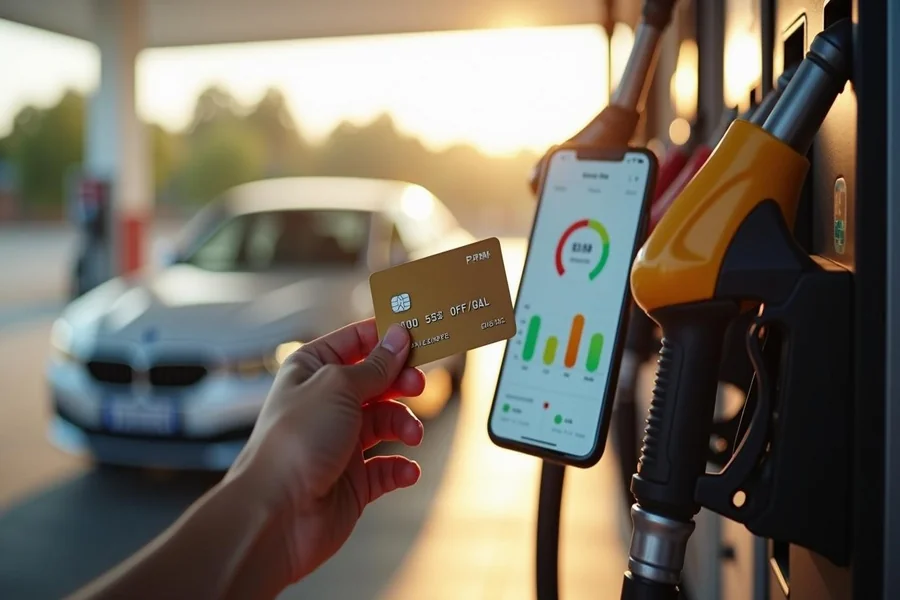
Fleet cards represent a critical financial tool that enables businesses to manage fuel costs and vehicle expenses with unprecedented control and visibility. Companies operating multiple vehicles save an average of 15-20% on fuel expenses through strategic fleet card implementation. Top fuel cards by Esso offer extensive networks of over 95,000 gas stations nationwide. These specialized payment cards eliminate the need for cash transactions, provide real-time expense tracking, and deliver detailed reporting that transforms how businesses monitor their vehicle operations.
The fundamental advantage of fleet cards lies in their ability to consolidate all vehicle-related purchases into a single, manageable account system. Unlike traditional credit cards, fleet cards offer granular purchase controls that restrict transactions to fuel, maintenance, and approved services only. This targeted approach prevents unauthorized spending while providing businesses with comprehensive data about every gallon purchased, every service performed, and every dollar spent across their entire fleet.
Fuel Card Security Features and Fraud Prevention
Modern fleet cards incorporate multiple layers of security that protect businesses from fraud and misuse. Driver-specific PIN requirements ensure that only authorized employees can complete transactions, while real-time alerts notify managers instantly when unusual spending patterns occur. These systems can detect potential fraud within seconds, automatically flagging transactions that exceed predetermined limits or occur outside designated locations. Advanced analytics platforms analyze spending patterns across thousands of data points, identifying anomalies that human oversight might miss.
Purchase controls represent the cornerstone of fleet card security, allowing managers to set specific parameters for each card or driver. Businesses can restrict purchases by time of day, transaction amount, fuel type, or geographic location. Some companies limit cards to fuel-only purchases during business hours, while others allow maintenance services but cap daily spending at predetermined amounts. These customizable controls reduce fraud risk by up to 30% compared to traditional payment methods.
Maximizing Fuel Savings and Rebates Through Strategic Card Use
Fleet fuel cards deliver substantial cost savings through negotiated discounts and rebate programs that aren’t available to regular consumers. Major networks offer rebates ranging from 3 to 8 cents per gallon, with some premium programs providing even higher returns for high-volume fleets. A company with 50 vehicles averaging 200 gallons per vehicle monthly could save $6,000 to $9,600 annually through rebates alone, not counting additional savings from reduced administrative costs and improved fuel efficiency monitoring.
The rebate structure varies significantly between providers, with some offering flat per-gallon rebates while others provide percentage-based discounts tied to fuel costs. Strategic route planning using fleet card data can further optimize fuel consumption, with companies reporting additional savings of 10-15% through improved driver behavior and vehicle utilization.
Essential Reporting and Analytics Tools for Fleet Management
Comprehensive reporting capabilities transform raw transaction data into actionable insights that drive operational efficiency. Fleet cards automatically capture detailed information about every purchase, including date, time, location, odometer reading, fuel type, gallons purchased, and price per gallon. This data feeds into sophisticated analytics platforms that generate customized reports showing fuel consumption trends, driver performance metrics, and vehicle efficiency ratings.
Real-time reporting eliminates the traditional lag between purchases and expense visibility, allowing managers to address issues immediately rather than discovering problems weeks later during monthly reconciliation. Advanced platforms offer predictive analytics that forecast future fuel costs based on historical consumption patterns and market trends. These tools help businesses budget more accurately while identifying opportunities for cost reduction through route optimization or vehicle replacement strategies.
Understanding Purchase Controls and Spending Management
Purchase controls extend beyond simple spending limits to encompass sophisticated rules engines that enforce company policies automatically. Fleet managers can configure controls at multiple levels, from company-wide policies to individual driver restrictions. Common control parameters include maximum transaction amounts, daily or weekly spending caps, approved merchant categories, and geographic boundaries. Some systems even integrate with GPS tracking to ensure vehicles are actually at the location where purchases occur.
The granularity of modern purchase control systems allows businesses to tailor restrictions to specific operational needs. Delivery companies might allow higher daily limits for long-haul drivers while restricting local delivery vehicles to smaller amounts. Construction firms can authorize equipment-related purchases while blocking convenience store transactions. These targeted controls reduce administrative burden while maintaining strict oversight of fleet expenses.
Streamlining Fleet Operations Through Digital Payment Solutions
Digital integration capabilities position fleet cards as central components of comprehensive fleet management solutions. Modern platforms connect with telematics systems, maintenance scheduling software, and enterprise resource planning tools to create unified operational dashboards. This integration eliminates data silos and manual entry errors while providing holistic visibility into fleet performance metrics.
Mobile app functionality extends fleet card capabilities beyond traditional plastic cards, allowing drivers to locate nearby stations, check real-time fuel prices, and submit maintenance requests directly from their smartphones. Digital receipts eliminate paper documentation, automatically attaching to transactions for seamless expense reconciliation. Some platforms offer virtual cards that drivers can access through mobile devices, reducing card replacement costs and improving security through dynamic card numbers.
Optimizing Business Efficiency with Fleet Card Networks
Network acceptance determines the practical utility of any fleet card program, with broader networks providing greater flexibility and convenience for drivers. Leading providers maintain relationships with major fuel brands and independent stations, ensuring coverage across urban and rural areas. Network size becomes particularly critical for businesses operating across state lines or managing nationwide logistics operations.
Beyond basic fuel purchases, comprehensive networks include maintenance facilities, tire centers, and emergency roadside services. This expanded acceptance allows businesses to consolidate multiple vendor relationships into a single payment platform, simplifying accounting while maintaining detailed expense tracking. Premium networks often negotiate preferred pricing at partner locations, passing additional savings to fleet operators through reduced service costs and priority scheduling.