
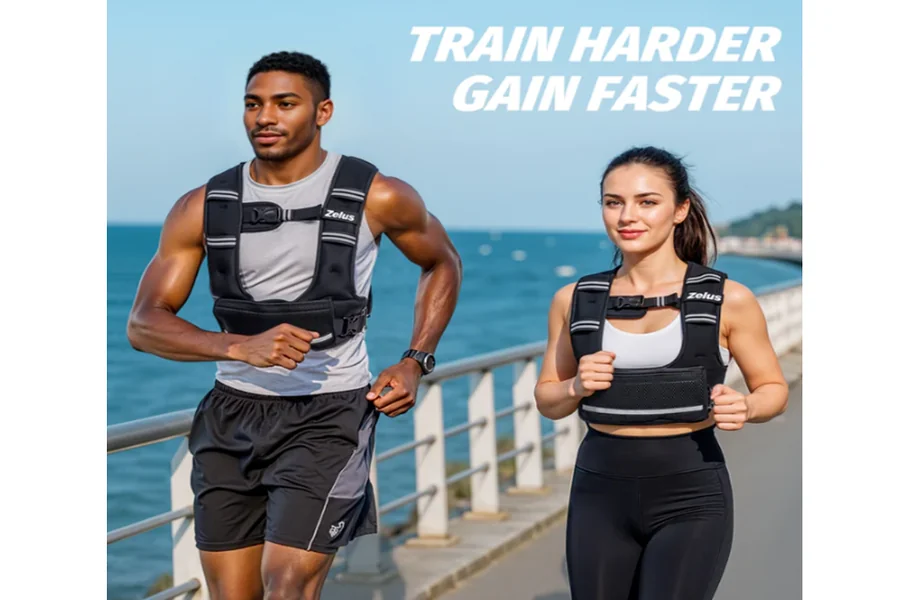
When people think about upgrading their workouts, they often picture heavier dumbbells, high-tech cardio machines, or elaborate home gym setups. Yet one of the simplest and most effective tools is frequently overlooked: the weighted vest. Compact, versatile, and surprisingly powerful, this piece of equipment can transform ordinary workouts into highly effective training sessions. Whether you’re walking around the neighborhood or powering through bodyweight exercises, a weighted vest adds just enough resistance to push your body toward greater strength and endurance. Despite its growing popularity among athletes and tactical trainers, it remains one of fitness’s best-kept secrets.
What Is a Weighted Vest?
A weighted vest is exactly what it sounds like—a vest designed with built-in weights or removable weight inserts that distribute resistance evenly across your torso. Unlike holding dumbbells or wearing ankle weights, the load stays centered on your body, allowing for more natural movement patterns.
Most vests fall into two categories:
- Adjustable weighted vests: Allow you to add or remove weight as your fitness improves.
- Fixed-weight vests: Come with a set load and are typically simpler to use.
Originally popular in military training and elite athletic programs, weighted vests are now widely used by everyday fitness enthusiasts looking for efficient ways to challenge their bodies.
Why Weighted Vests Are Often Overlooked
Despite their effectiveness, weighted vests don’t always get the attention they deserve.
One reason is perception. Many people assume they are only meant for high-performance athletes or intense training regimens. Beginners may feel intimidated by the idea of adding weight to their bodies before they even start moving.
Another factor is awareness. Flashy fitness gadgets and smart equipment often dominate marketing campaigns, while weighted vests remain refreshingly low-tech. Yet simplicity is precisely what makes them so powerful—no complicated setup, no steep learning curve, and no need for a large workout space.
Key Benefits of Training with a Weighted Vest
Instantly Increases Workout Intensity
One of the biggest advantages of a weighted vest is how effortlessly it elevates your workouts. You don’t have to reinvent your routine—just wear the vest and perform the exercises you already know.
Push-ups become more demanding. Squats require greater muscle engagement. Even a brisk walk suddenly feels like purposeful training. This added resistance encourages your muscles to work harder, which can lead to improved strength over time.
Builds Functional Strength
Functional fitness focuses on movements that translate into real-life activities, such as climbing stairs, carrying groceries, or maintaining balance. Because a weighted vest allows you to move naturally, it activates stabilizer muscles that machines often neglect.
Instead of isolating a single muscle group, your body learns to coordinate multiple muscles at once—helping improve strength that actually supports everyday life.
Boosts Cardiovascular Performance
Add weight to your torso, and your heart has to work harder to supply oxygen to your muscles. Activities like walking, hiking, or stair climbing quickly become more challenging without requiring you to move faster.
Over time, this can contribute to improved endurance and stamina. It’s an especially appealing option for people who want a tougher cardio session without transitioning to high-impact workouts.
Supports Bone Health
Weight-bearing exercise plays an important role in maintaining bone strength, particularly as we age. The gentle, consistent load from a weighted vest encourages the body to adapt, potentially supporting stronger bones and improved structural resilience.
While it’s not a replacement for medical guidance or comprehensive strength training, it can be a valuable addition to a long-term wellness strategy.
Saves Time While Increasing Results
Efficiency matters—especially for busy professionals balancing work, family, and personal health. A weighted vest helps you get more out of the time you already dedicate to movement.
Instead of extending your workouts, you increase their effectiveness. Twenty minutes of weighted bodyweight exercises may deliver a similar challenge to longer sessions without added resistance.
Who Should Consider Using a Weighted Vest?
Weighted vests are more versatile than many people realize. They can benefit a wide range of fitness levels and goals.
- Home workout enthusiasts: Perfect for progressive overload without investing in bulky equipment.
- Walkers and runners: Ideal for adding difficulty without drastically changing pace or terrain.
- Strength trainers: Helpful for breaking through plateaus in bodyweight movements.
- Functional fitness followers: Excellent for improving balance, coordination, and total-body strength.
From beginners to experienced athletes, there are options designed for different needs—including lightweight, ergonomic designs often preferred when choosing a weighted vest for women.
How to Use a Weighted Vest Safely
Like any training tool, success depends on using it wisely.
Start light. A common guideline is beginning with about 5–10% of your body weight. This allows your joints and muscles to adapt gradually.
Prioritize posture. Keep your shoulders back, core engaged, and spine neutral to avoid unnecessary strain.
Progress slowly. Resist the urge to increase weight too quickly. Consistency matters more than intensity.
Limit high-impact movements at first. Running or jumping with too much weight can stress your joints. Build strength with controlled exercises before advancing.
Listen to your body. If you experience discomfort—especially in your knees, hips, or back—reduce the load or take a break.
When in doubt, consulting a fitness professional can help you integrate a weighted vest safely into your routine.
Best Exercises to Try with a Weighted Vest
One of the vest’s greatest strengths is flexibility. It enhances movements you’re likely already doing.
Walking: A simple yet highly effective starting point. Try 20–30 minutes at a steady pace.
Push-ups: Increase upper-body demand without changing technique.
Squats: Promote lower-body strength while engaging your core.
Step-ups: Great for building stability and unilateral strength.
Planks: The added load challenges your core in a whole new way.
Hiking: Turn an enjoyable outdoor activity into a serious workout.
Beginner idea:
Wear a light vest and complete three rounds of:
- 12 squats
- 10 push-ups
- 30-second plank
- 10 step-ups per leg
It’s simple, scalable, and effective.
Common Mistakes to Avoid
Even a straightforward tool can be misused. Watch out for these pitfalls:
- Adding too much weight too soon – This increases injury risk and can derail progress.
- Using it every day – Your body needs recovery time to rebuild and grow stronger.
- Ignoring fit – A poorly fitted vest can shift during movement and cause discomfort.
- Overcompensating with bad form – If your posture breaks down, the weight is likely too heavy.
Remember: the goal is sustainable progress, not short-term intensity.
Is a Weighted Vest Worth It?
For many people, the answer is yes. Few fitness tools offer this level of versatility in such a compact design.
A weighted vest takes up minimal space, works for both cardio and strength training, and grows with you as your fitness improves. Instead of constantly purchasing heavier equipment, you can simply adjust the load and continue progressing.
Perhaps most importantly, it encourages consistency. When a tool is easy to use and integrates seamlessly into your routine, you’re far more likely to stick with it.
Final Thoughts
The most effective fitness strategies are often the least complicated. A weighted vest proves that you don’t need flashy machines or elaborate setups to challenge your body and see meaningful results.
By adding controlled resistance to everyday movement, you can build strength, improve endurance, and make each workout count just a little more.
