
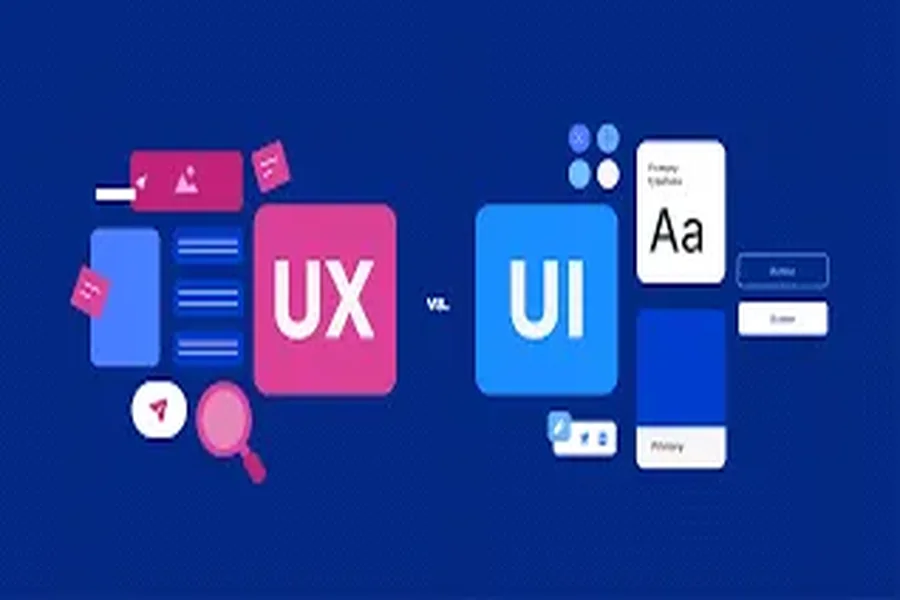
Exceptional UX is no longer defined only by visual appeal or intuitive layouts. The true test of great design is how well an experience performs when real users interact with it. Even the most refined interface can fail if a button does not respond, a flow breaks, or interactions behave differently across devices. This is why testing is no longer a simple technical checkpoint. It is now an essential pillar of the design process itself.
Effective UX testing provides designers with essential insight into real user behavior, uncovering friction points that cannot be identified through wireframes or prototypes alone. Research across the industry consistently shows that validating assumptions early helps teams reduce usability risks and build more intuitive, reliable experiences from the start.
When testing is integrated into every stage of the product journey, design decisions become stronger, user flows become more intuitive, and the likelihood of errors decreases. In this guide, we explore why the quality of UX is deeply connected to the quality of testing and how designers can use testing insights to protect and elevate their creative work.
UX Lives in Journeys, Not Screens
Digital experiences unfold through complete user journeys rather than individual screens. Users transition through multiple steps, states, and contexts, expecting clarity and consistency at every moment. A design that appears flawless during a static review can quickly reveal weaknesses once it is placed within the full experience flow.
This is why UX testing must extend beyond evaluating isolated screens. Industry research shows that timing, device behavior, and the sequence of user actions all significantly influence how designs are experienced in real-world scenarios.
Journey-based testing uncovers issues such as:
- Confusing transitions between steps
- Unexpected variations across device types
- Interruptions caused by backend logic
- Breaks in visual or behavioral patterns
Design only succeeds when it works within the entire ecosystem of the user’s experience.
Why Traditional Testing Methods Are Not Enough
Many teams still depend on late-stage manual reviews or isolated UI checks. However, modern digital products are far more complex and dynamic than what these traditional methods can reliably test. Usability issues often emerge from the interactions between screens, devices, and user expectations rather than from a single interface element.
Many experts note that UI and UX issues often remain hidden until thorough testing exposes how users truly move through a product. When these insights emerge only at the final stages of development, teams may face costly redesigns or unintentionally release an experience that feels inconsistent or confusing for users.
As products grow more feature-rich and interconnected, teams need advanced testing strategies that reflect the true complexity of the user journey.
The Value of End-to-End Testing for Designers
Modern automated end-to-end testing has transformed how teams validate the quality of digital experiences. By simulating real user actions across entire workflows, tools like testRigor ensure that interactions are stable, accurate, and consistent, regardless of platform or device.
According to testRigor, journey-based testing is essential for uncovering issues that appear only when multiple features interact. Their guide explains how end-to-end testing can reveal design-breaking problems that would otherwise go unnoticed. For designers, the benefits are significant:
- Confirmation that intended interactions behave correctly
- Deeper insight into how design choices perform in real conditions
- Assurance that visual and functional patterns remain consistent
- Protection against regressions caused by future updates
Automated end-to-end testing strengthens the bridge between design intent and user reality.
How Testing Enhances a Designer’s Strategic Influence
Testing is more than a technical procedure. It is a strategic design asset that empowers designers to build experiences that are not only attractive but also reliable and user-centric.
1. It Reveals True Sources of User Friction
Testing exposes where users struggle or abandon tasks, helping designers identify usability issues with clarity and precision.
2. It Confirms Real World Functionality
Designs must be resilient under unpredictable user behavior. Testing ensures that experiences remain smooth even when conditions vary.
3. It Verifies Cross-Device and Cross-Browser Consistency
Automated testing validates the experience across multiple environments, ensuring a seamless interface everywhere.
4. It Strengthens Collaboration With Engineering Teams
Testing insights bring designers and developers into alignment, allowing the team to address issues earlier in the process.
5. It Safeguards the Long-Term Quality of the Experience
Continuous testing prevents unexpected regressions that could weaken the original design vision.
Designers as Stewards of the Entire Experience
Modern designers are no longer responsible only for visual decisions. They are stewards of the complete user experience. This requires a mindset that embraces testing as part of the creative process. With accurate testing feedback, designers can make informed decisions, refine interactions, and build interfaces that perform beautifully in real-world conditions.
Testing is not an obstacle to creative freedom. It is the assurance that creativity translates into a strong, functional, and enjoyable experience.
Conclusion: Better Testing Creates Better UX Every Time
A polished interface means little if it does not function reliably for every user. The strongest UX emerges when great design is supported by rigorous, continuous testing. End-to-end testing tools like testRigor empower teams to validate entire user journeys, ensuring that each interaction aligns with the designer’s vision.
Testing strengthens quality, protects creativity, and ultimately delivers the consistent experience users expect. Great UX is built on great testing, and designers who embrace this connection produce work that stands the test of both user behavior and time.