
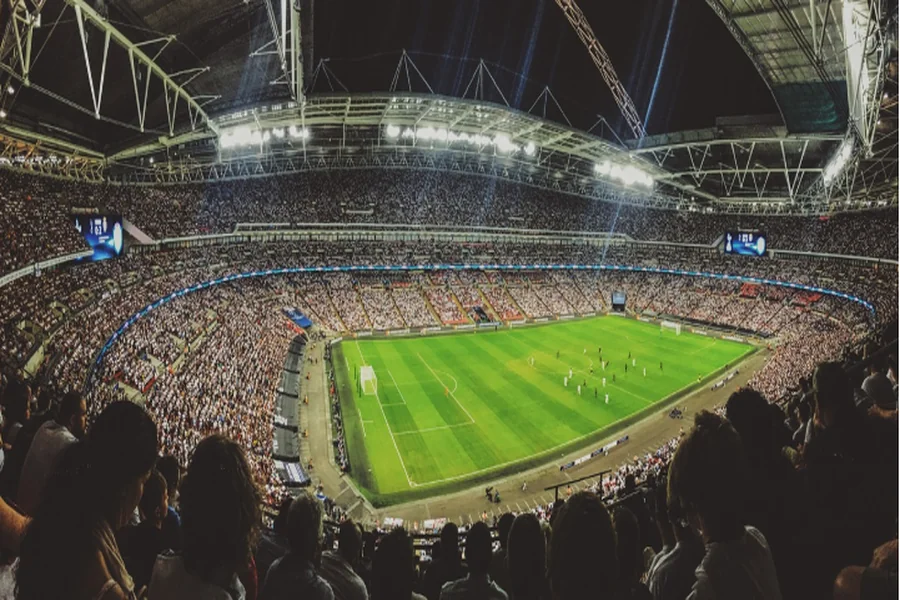
Sports aren’t just for fun—they move money. Stadiums, merch, media deals, and yes, even fantasy leagues and 1xbet live football, all play a role in the money game. Right in the middle of big wins and buzzer-beaters, you’ll find cash flowing faster than a football pass.
The money doesn’t just stay in stadiums either. It flows into tech, hotels, ads, and even food stalls. When a major match kicks off, small and big businesses all get a slice. The ripple effect touches everything—from a local bakery selling game-day snacks to developers coding live score apps.
Let’s break it down and see how sports quietly (and sometimes loudly) fuel the economy.
How 1xBet Live Football and Sporting Events Create Jobs
When a game happens, it’s more than athletes on a field. There are security guards, cooks, camera crews, and even temporary cleaners. All of them get paid because of that single match. One event = hundreds of jobs.
Don’t forget transportation crews, setup teams, parking attendants, and ticket agents. Even local food trucks near the venue see a boost. Behind the scenes, graphic designers and app developers get busy updating live scores and banners. And yes, cleaning staff get overtime, too.
Broadcasters hire. Vendors set up stalls. Hotels fill rooms. And even online platforms see a spike in activity around big games. The sports economy has a ripple effect—when a match is played, people eat, travel, shop, and cheer (with their wallets too).
Some real numbers:
Before diving into examples, it’s good to look at where these impacts happen. Each sector feels the energy of a big game day, from media rights to hotel bookings.
| Sector | Impact Type | Example | Economic Boost |
| Broadcasting | Media rights | Selling game streaming rights | High |
| Tourism & Hospitality | Travel + hotels | Booking rooms for fans | Medium |
| Retail & Merchandise | Apparel sales | Jerseys, hats, shoes | High |
| Betting & Platforms | Digital traffic | 1xbet live football spikes | Medium-High |
| Event Management | Temporary staffing | Ushers, ticket scanners | Medium |
Looking at this table, it’s clear that sports touch more than just ticket sales. From tech to tourism, each part of the chain keeps the money moving—and that means more opportunities for businesses and workers alike.
The Sponsorship and Branding Boom
Ever notice how every inch of a stadium has a logo? That’s not by accident. Brands pay big to be seen during games. Jersey logos, scoreboard banners, even the snack cups—everything is a billboard.
Why? Because fans are watching. Whether it’s on TV or on streaming platforms, the exposure is massive. One smart ad during a live match can lead to thousands of clicks or purchases. Companies track this, and they pay based on those results.
“Sports deliver unmatched live audience engagement,” said Jon Stainer, Managing Director at Nielsen Sports.
And it’s not just big companies. Even small brands team up with local teams to get eyes on their name. Sports bring attention. Attention brings business.
When Stadiums and Construction Get Involved
Building or renovating a stadium doesn’t just help the team—it powers jobs in construction, logistics, and tech. Think of all the workers needed: builders, electricians, caterers, engineers.
Once built, a stadium is a money magnet. Concerts, matches, and festivals fill seats—and city budgets. Surrounding businesses also win. Cafes and shops see more people and more spending.
That’s why even non-sports cities want a piece of the pie. Build a stadium? You’re building an economy.
Merchandise, Streaming, and Fan Spending
Let’s be real—fans love to buy stuff. From jerseys to digital passes, the spending never stops. Merch sales alone generate billions. Add streaming platforms, ticket sales, and virtual collectibles, and the money trail just keeps going.
People don’t just watch. They pay to watch, wear, and share. Game day = money day.
Here’s the cycle:
- Watch a match → Get hyped
- Get hyped → Buy a jersey or collectible
- Buy → Keep the money loop spinning
This isn’t just hype. It’s a business model that works.
Sports Data, Tech, and Digital Platforms
Behind every pass, goal, or sprint, there’s data. Platforms use it for fantasy leagues, betting insights, team strategy, and fan engagement. Tech jobs in sports are growing fast—coders, analysts, AI experts.
Live score apps. Smart betting tools. Streaming with instant replays. All of it requires infrastructure, maintenance, and innovation. The sports-tech world is booming—and fans drive demand.
And when fans use tools like 1xbet live football, they’re not just watching—they’re interacting, predicting, analyzing. That creates even more value across digital markets.
Not Just Big Leagues—Local Wins Too
It’s easy to focus on the major leagues, but local games matter too. Local stadiums, training centers, and semi-pro teams all bring economic benefits. They create jobs, sell food, rent buses, and fill nearby shops.
Even a weekend tournament can be a money-spinner. Local restaurants stay busy. Parking lots fill up. Small apparel shops sell jerseys and gear. Photographers, announcers, and social media freelancers get paid. Gyms and fitness centers also see increased memberships as people get inspired to play more.
Community events also boost morale and tourism. People gather, spend, and support. That kind of vibe can spark small businesses and revive quiet areas. It builds a sense of pride and brings neighbors together over shared wins.
In short: sport isn’t just a game. It’s an engine.
Media Rights and Streaming Wars
Streaming platforms are battling to secure sports rights. The higher the demand, the more they pay. That money goes straight into leagues, clubs, and content production.
Some platforms even build exclusive channels just for live games. It’s become a race—who gets the next big match? More games mean more users. And more users mean more ad revenue.
As more viewers switch from cable to mobile and smart TVs, sports remain one of the last reasons people watch live content. That’s gold for advertisers—and a huge win for broadcasters. Ad slots during big games now cost way more than during regular shows. Sports are keeping streaming alive.
Event Tourism and Fan Travel
Fans travel for matches, and that fuels transport, hotels, and food. One big match can fill up every hotel in town. From taxi drivers to street food vendors, everyone earns when fans are in town.
When fans move, they spend. It’s not just about the ticket—they book flights, rent taxis, buy souvenirs, and eat out more than usual. Even salons and local shops can see increased business during big sports weekends.
Here’s what usually happens around big matches:
- Airports and trains get crowded.
- Hotels sell out or hike prices.
- Restaurants run match-time specials.
- Local guides offer quick city tours for fans with time to spare.
Even international friendlies or charity matches bring in visitors. It’s not just ticket sales—it’s the full travel package. Sports tourism is growing, and with every match, the money moves far beyond the stadium walls.
Athlete Endorsements and Personal Brands
Athletes don’t just play—they sell. Their endorsements create jobs in ad agencies, design, PR, and digital marketing. When a star signs with a brand, there’s a whole team behind that campaign.
These deals often require video editors, copywriters, social media teams, and data analysts to monitor campaign performance. Even photographers and stylists get involved.
Plus, many athletes launch their own brands. That means factories, logistics, web shops, and more. There’s packaging, shipping, inventory control, and online customer support. One athlete with one product can launch an entire mini-economy. The behind-the-scenes hustle is real—and profitable.
Sports Education and Training Academies
Training centers and sports schools are also part of the economy. Coaches, nutritionists, groundskeepers—they all earn through the system.
But it doesn’t stop there. There are admin staff, transport services, maintenance teams, and even local caterers who benefit. These centers need food, supplies, repairs, and marketing. And guess what? That’s more work and more paychecks.
When a region invests in training facilities, it’s also investing in steady jobs and long-term community development. The spaces often host community events, workshops, and local tournaments. Plus, it builds a talent pipeline that feeds back into pro leagues—and keeps fans excited for the future stars.
The Rise of Sports Analytics
Numbers now matter more than ever. From scouting new players to improving fan experience, data is changing the way teams and businesses operate. Coaches use performance stats to train smarter. Brands use fan engagement metrics to market better.
Here’s how data is powering the game:
- Tracks player movements and speeds during matches
- Helps teams plan better lineups and tactics
- Predicts crowd behavior to boost safety
- Adjusts prices for tickets and merch in real time
- Recommends content and betting odds to users
Even ticket prices can be adjusted based on live demand data. And platforms crunch huge numbers to recommend content or odds in real time. It’s a silent player in the background—but a powerful one. Data might not wear a jersey, but it’s scoring every day.
Fitness Trends and Wellness Business
Sports have also sparked fitness trends. When a sport becomes popular, people start joining clubs, gyms, and fitness classes. This drives up demand for personal trainers, gear, healthy snacks, and supplements.
Yoga, cycling, football training, you name it—they all ride the wave. More viewers = more inspiration = more people paying for healthier habits. Sports don’t just entertain. They move people, physically and financially.
Fitness gear brands jump on trends, releasing limited-edition gear tied to famous players or popular games. Subscription fitness apps often see a boost after major tournaments. Even sports drink sales spike when the weather gets hot and games are on. Workout videos inspired by pro athletes go viral. You’ll find people buying resistance bands after watching a football warm-up clip.
It’s a cycle: sports hype drives fitness, fitness spending drives sales, and sales feed the whole economy.
Final Whistle: It’s More Than a Game
From livestreaming to snacks, from jerseys to data dashboards, sports are pushing money in every direction. The moment a whistle blows, a whole economy moves. Every replay, every cheer, and every click turns into cash somewhere along the chain.
People don’t just watch—they engage, they spend, they promote. Platforms track fan behavior, teams boost their merch lines, and cafes plan their specials around big games.
So next time you tune into 1xbet live football, remember—every goal is more than just a score. It’s part of a bigger money machine
