
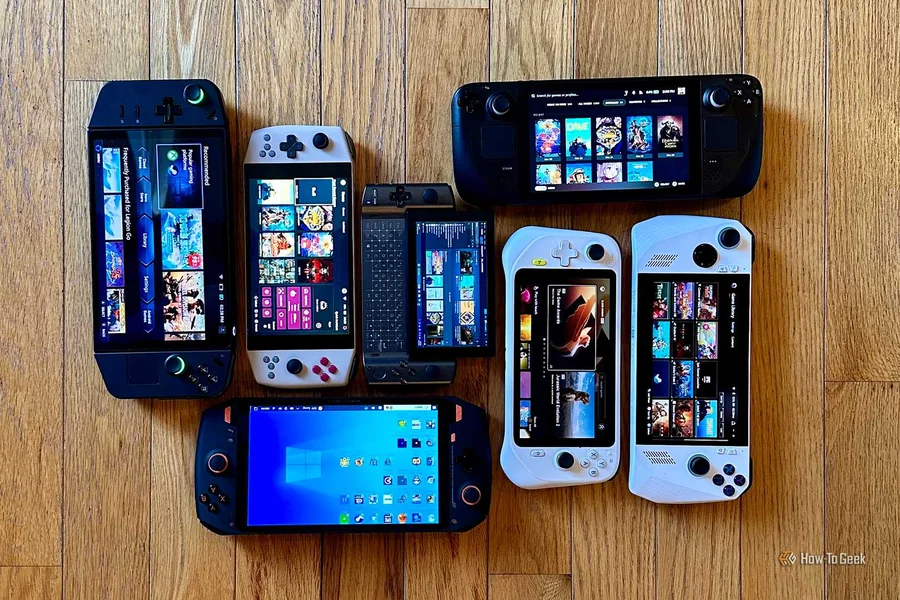
Console Gaming vs Handheld Gaming is a debate that continues to interest gamers of all ages. Both styles offer unique advantages, and the choice often depends on how, where, and why you play games. Some players enjoy the immersive experience of a big screen at home, while others prefer the flexibility of gaming on the go.
In today’s fast-paced world, gaming has adapted to fit different lifestyles. Whether you’re relaxing in your living room or traveling between places, there’s a gaming option designed for you. Understanding the differences between console and handheld gaming can help you make a decision that matches your needs and preferences. Whether you are a beginner or an experienced player, quikconsole com provides helpful resources for making informed gaming decisions.
Understanding Console Gaming and Handheld Gaming
Console gaming typically involves playing on a dedicated system connected to a television or monitor. These systems are designed for high performance, offering advanced graphics, powerful hardware, and a wide range of games. Players usually use controllers, and the experience is centered around a fixed setup at home.
Handheld gaming, on the other hand, focuses on portability. These devices are compact and come with built-in screens, allowing you to play anywhere. Whether you’re commuting, traveling, or simply relaxing in a different room, handheld systems make gaming more flexible.
While both options serve the same purpose—entertainment—they deliver very different experiences. Console gaming emphasizes performance and immersion, while handheld gaming prioritizes convenience and accessibility.
Performance and Graphics Experience
One of the biggest differences between console gaming and handheld gaming is performance. Consoles are built with more powerful hardware, enabling them to run games with higher resolution, better graphics, and smoother frame rates. This makes them ideal for players who value visual quality and detailed environments.
Handheld devices, due to their smaller size and power limitations, often offer lower graphical performance. However, this doesn’t mean the experience is inferior. Many handheld games are optimized to run smoothly and still provide enjoyable gameplay.
For players who enjoy cinematic storytelling and visually rich worlds, console gaming is often the better choice. On the other hand, handheld gaming focuses more on gameplay and convenience rather than pushing graphical boundaries.
Portability and Convenience
Portability is where handheld gaming truly shines. Being able to carry your gaming device in your bag or pocket means you can play anytime, anywhere. This is especially useful for people with busy schedules or those who travel frequently.
Console gaming, in contrast, is tied to a specific location. You need a TV or monitor, a power source, and enough space to set everything up. While this setup provides a more immersive experience, it lacks the flexibility of handheld devices.
Handheld gaming also allows for quick sessions. You can play for a few minutes during a break and then continue later without much effort. Console gaming usually requires more time and commitment, making it better suited for longer sessions.
Game Library and Variety
When it comes to game variety, console gaming has a significant advantage. Consoles offer a vast library of titles across all genres, including action, sports, role-playing, and simulation games. Many blockbuster titles are designed specifically for consoles, providing high-quality experiences.
Handheld gaming also has a strong library, but it often focuses on shorter, more accessible games. These games are designed to be played in bursts, making them ideal for on-the-go gaming.
However, the gap between the two is shrinking. Modern handheld devices now support a wider range of games, including some that were traditionally limited to consoles. This has made handheld gaming more appealing to a broader audience.
Comfort and Play Style
Comfort is another important factor in the Console Gaming vs Handheld Gaming debate. Console gaming allows players to sit back and relax, often using a large screen and ergonomic controllers. This setup is ideal for extended gaming sessions.
Handheld gaming, while convenient, can sometimes be less comfortable over long periods. Holding a device for extended time may cause hand fatigue, especially during intense gameplay.
That said, handheld gaming offers flexibility in how you play. You can lie down, sit in different positions, or even play while moving. This adaptability makes it a great option for casual gaming.
Ultimately, the choice comes down to your preferred play style. If you enjoy long, immersive sessions, consoles are the way to go. If you prefer quick and flexible gaming, handheld devices are more suitable.
Cost and Accessibility
Cost plays a major role when choosing between console and handheld gaming. Consoles often require a higher initial investment, especially when you factor in accessories like controllers, subscriptions, and games.
Handheld devices are generally more affordable and all-in-one. You don’t need additional equipment like a TV, which makes them more accessible for many users.
Game prices can also vary. Console games, particularly new releases, can be expensive. Handheld games are often more budget-friendly, although this depends on the platform.
Accessibility is another advantage of handheld gaming. Its simplicity and portability make it easier for beginners to get started. Console gaming, while not overly complicated, may require more setup and maintenance.
Social and Multiplayer Experience
Console gaming excels in social and multiplayer experiences. Whether it’s playing with friends in the same room or connecting online with players worldwide, consoles offer a wide range of multiplayer options.
Handheld gaming also supports multiplayer, but it often depends on the device and game. Some handheld systems allow local multiplayer or online connectivity, but the experience may not be as robust as console gaming.
However, handheld gaming has its own charm. Sharing a device or playing side by side with friends can create a more personal and intimate experience.
Both options have their strengths, and the best choice depends on how you like to connect with others.
Which One Should You Choose?
Choosing between console gaming and handheld gaming ultimately depends on your lifestyle and preferences. If you value high performance, immersive experiences, and a wide range of games, console gaming is the better option.
If you prioritize convenience, portability, and quick gaming sessions, handheld gaming is likely the right choice. It allows you to fit gaming into your daily routine without needing a dedicated setup.
Many gamers find that using both options provides the best of both worlds. Consoles can be used for deep, immersive gameplay at home, while handheld devices are perfect for gaming on the go.
Final Thought
Console Gaming vs Handheld Gaming is not about finding a single winner—it’s about understanding what works best for you. Each option offers unique benefits that cater to different needs and lifestyles.
Console gaming delivers power, performance, and a cinematic experience that’s hard to match. It’s perfect for players who want to fully immerse themselves in rich and detailed worlds.
Handheld gaming, on the other hand, offers freedom and flexibility. It allows you to enjoy gaming wherever you are, making it an excellent choice for modern, busy lifestyles.
In the end, the best gaming experience is the one that fits seamlessly into your life. Whether you choose console, handheld, or both, what matters most is enjoying the games you love in a way that feels right for you.
FAQs
What is the main difference between console gaming and handheld gaming?
The main difference is that console gaming is played on a fixed setup with a TV, while handheld gaming is portable and can be played anywhere.
Which is better for graphics, console or handheld gaming?
Console gaming generally offers better graphics and performance due to more powerful hardware.
Is handheld gaming more convenient?
Yes, handheld gaming is more convenient because it allows you to play on the go without needing additional equipment.
Are console games more expensive than handheld games?
Console games are often more expensive, especially for new releases, while handheld games can be more budget-friendly.
Can you play multiplayer on handheld devices?
Yes, many handheld devices support multiplayer, but the experience may vary depending on the game and system.
Which is better for long gaming sessions?
Console gaming is usually better for long sessions due to its comfort and setup.
Is it worth having both console and handheld gaming systems?
Yes, having both can provide a balanced gaming experience, combining performance and portability.
