
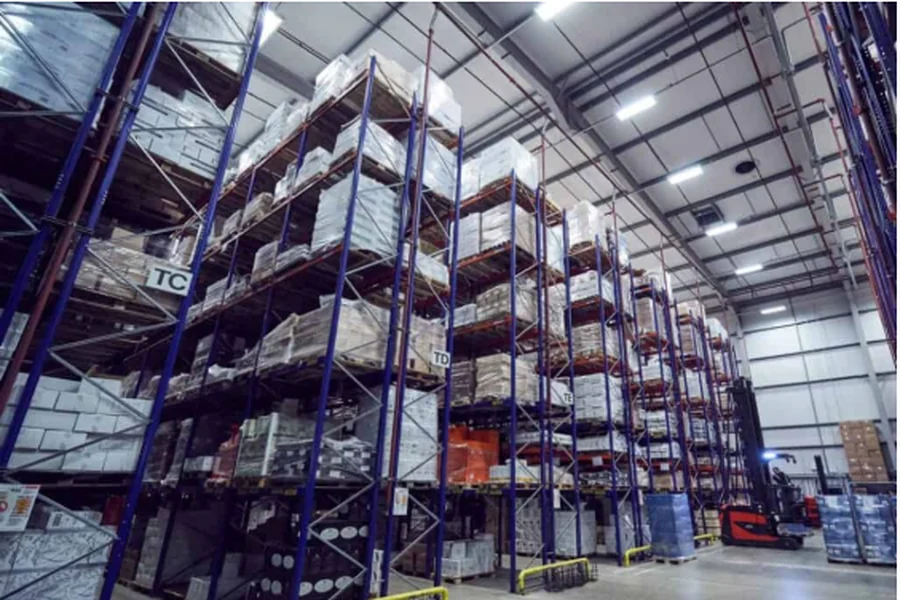
An efficient warehouse layout begins with the right storage racking shelves. The racking system you choose directly impacts workflow, space use, and safety. Choosing wisely helps you avoid inventory bottlenecks, minimise waste, and increase overall operational productivity. From heavy-duty pallets to lightweight cartons, your warehouse needs a structure that matches its load type, available space, and movement flow.
The right storage approach balances safety, durability, and adaptability. Whether it’s a new facility or an upgrade, aligning your rack selection with daily operations is key. In this guide, you’ll find practical tips to help you make an informed decision and adopt the best-fit warehouse solutions for your business.
1. Understand Your Storage Requirements
Every warehouse has unique needs. Start by assessing your inventory, including the size, weight, and type of goods stored. Storage racking shelves must match the volume and nature of your items.
- For large palletised goods, selective pallet racking or pallet shuttle racking is ideal.
- For long materials like pipes or timber, cantilever racking works best.
- For small cartons, boltless shelving or multi-tier racks are more suitable.
Choosing based on the type of goods ensures structural safety and fast accessibility.
2. Measure the Space You Have
Space constraints should drive the design and configuration. Both vertical and horizontal dimensions matter. The height of your warehouse can be leveraged using tall racking systems, provided the roof structure supports it.
Consider:
- Clear height from floor to ceiling
- Aisle width to fit forklifts or material handling equipment
- Access points and movement zones
Efficient warehouse solutions make the best use of available space without causing congestion or compromising safety.
3. Evaluate Your Load Handling Equipment
Before selecting a racking solution, assess your existing material handling tools. Your racks must work in sync with forklifts, pallet trucks, or stackers.
Key points:
- Match the aisle width with the forklift turning radius
- Ensure the rack depth aligns with the load handling reach
- Verify the lifting capacity of the equipment
This will allow safe and efficient operations across all racking levels.
4. Consider Stock Rotation and Retrieval Speed
Stock movement pattern impacts the racking selection. For fast-moving inventory, you need racking systems that allow quick access and reduced handling.
Options include:
- FIFO systems like live pallet racking
- Push-back racking for LIFO rotation
- Carton flow racks for small, fast-moving goods
The retrieval method and frequency directly affect productivity and storage flow.
5. Plan for Future Scalability
Your warehouse might expand or diversify its inventory over time. Choose a racking system that adapts to evolving needs.
Look for:
- Adjustable beam levels
- Modular shelving
- Multi-tier configurations
These offer flexibility without major structural changes. Investing in scalable storage racking shelves helps future-proof your operations.
6. Check Load Capacity and Structural Strength
Safety starts with load-bearing capacity. Exceeding weight limits can lead to collapses or product damage. Each racking system should match the load it carries.
Determine:
- Unit load weight and size
- Total number of pallets or cartons
- Rack frame and beam specifications
Also, avoid overloading by planning for the maximum expected load.
7. Keep Safety and Compliance in Mind
All racking systems should meet safety standards and allow clear visibility and access during emergencies. Install appropriate signage, load indicators, and aisle guides.
Essential measures include:
- Load capacity labelling
- Regular inspection and maintenance
- Earthquake or vibration resistance where required
Choose high-quality racking with reliable engineering to ensure operator safety and long-term use.
8. Match Environment to Racking Type
Different warehouse conditions need different materials and finishes. For instance:
- Cold storage needs galvanised or coated racks
- Humid environments require rust-proof materials
- Hazardous goods require chemical-resistant shelving
Always align your racking choice with environmental conditions to ensure optimal longevity and performance.
9. Focus on Ergonomics and Accessibility
Warehouse workers must move efficiently and safely. Ergonomic design reduces strain and speeds up order picking.
Features to look for:
- “Goods-to-person” systems
- Easily adjustable shelves
- Safe access to top levels using stairs or lifts
In India, there are many companies that offer smart storage racking shelves designed to maximise space usage and worker safety.
10. Work with a Trusted Provider
Always choose a provider that offers both installation and after-sales support. A good partner will not only recommend the best racking but also help maintain and scale your warehouse setup.
From layout planning to post-installation maintenance, a reliable provider ensures your warehouse solutions work for the long term. Invest in systems that combine durability, design, and adaptability.
Conclusion
Selecting the right storage racking shelves is more than just a matter of structure. It defines your entire warehouse flow, from stocking to dispatch. With so many options available, choosing the right one depends on several factors like space, product type, equipment, and safety. Long-term success requires a smart blend of design, durability, and functionality.
If you’re looking to implement reliable and efficient warehouse solutions, you can consider products offered by Godrej Enterprises Group. Their systems are designed with cutting-edge engineering and ergonomic focus, making them an ideal partner for warehouses seeking to optimise both performance and safety.
