
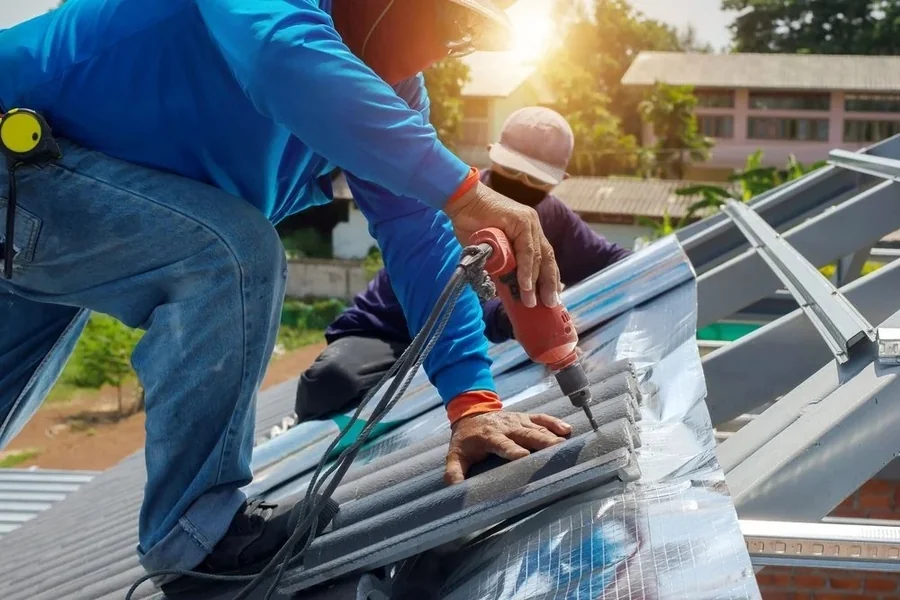
Roof RepairsA robust and well-maintained roof is fundamental to any building’s structural integrity and energy efficiency. However, even the most durable roofing systems eventually succumb to wear, age, and environmental stresses. Understanding the contemporary materials and sophisticated techniques employed in modern roof repairs is crucial for property owners. This knowledge is especially important when seeking professional assistance, particularly for specialized services like Kirkland roof repair, where local climate considerations often dictate the optimal approach. Today’s repair landscape offers advanced solutions that promise enhanced durability, sustainability, and aesthetic integration, ensuring repairs are not merely temporary fixes but long-term investments.
Understanding the Necessity for Modern Roof Repair
The need for roof repair arises from a variety of sources, ranging from immediate damage by severe weather to gradual deterioration over years of exposure. Common issues include cracked or missing shingles, leaks around flashing and vents, pooling water on flat roofs, and punctures from falling debris. Beyond these obvious signs, subtle problems like granular loss on asphalt shingles, rust on metal panels, or compromised sealants can silently undermine a roof’s protective capabilities. Ignoring these issues can lead to more extensive and costly damage, including water intrusion, mold growth, and structural decay. Modern roof repair prioritizes accurately diagnosing the root cause of the problem, often using advanced diagnostic tools, to ensure the repair effectively addresses the underlying issue, thereby extending the roof’s overall lifespan and preventing recurrence.
Advanced Materials in Roof Repair
The evolution of roofing materials has dramatically enhanced the effectiveness and longevity of repairs. Modern options provide tailored solutions for nearly every roofing type and climate condition.
For sloped roofs, asphalt shingles remain a popular choice, with contemporary versions offering significantly improved resilience. High-performance architectural shingles, for instance, feature multi-layered construction and enhanced granular adhesion. Repairing these involves precisely matching texture and color while ensuring proper sealing and nailing to seamlessly integrate new shingles.
Metal roofing materials, including steel, aluminum, copper, and zinc, are increasingly favored for their exceptional durability. Repairs on metal roofs often utilize specialized sealants for seams and fasteners, or involve panel replacement for damaged sections. Restorative coatings can also extend the life of aging metal roofs by decades, improving weather resistance and reflectivity. The precision required for metal roof repair, particularly regarding thermal expansion and contraction, demands experienced craftsmanship.
For low-slope or flat roofs, significant advancements have been made in membrane technology. TPO, EPDM, and PVC membranes are now standard. TPO and PVC are thermoplastic, allowing for heat-welded seams that create a monolithic, watertight barrier, making repairs highly effective. EPDM, a synthetic rubber, is known for its flexibility and UV resistance, with repairs typically involving specialized EPDM patches and adhesives. These materials offer superior resistance to tears, punctures, and UV degradation compared to older tar-and-gravel systems.
Specialty materials like slate, tile, and wood shakes also benefit from modern repair techniques that preserve their unique aesthetics and performance. Repairing slate or tile often requires careful removal of broken pieces and replacement with matching materials, sometimes custom-fabricated. For wood shakes, individual damaged shakes are meticulously replaced to maintain the roof’s classic appearance and weather resistance. For those living in the Kirkland, WA area, the availability of these high-performance materials means a skilled provider of Kirkland roof repair services can select the optimal solution for any specific damage scenario, ensuring a durable and aesthetically pleasing outcome.
Key Repair Techniques for Different Roof Types
Effective roof repair is not solely about using the right materials; it equally depends on employing the correct techniques tailored to the specific roofing system. Each roof type presents unique challenges and requires a specialized approach for a lasting repair.
For shingle roof repair, common techniques include individual shingle replacement for isolated damage or “patching” larger areas. This involves carefully lifting surrounding shingles, removing damaged ones, applying roofing cement for a watertight seal, and nailing new shingles invisibly. Proper shingle weaving and alignment are crucial for both aesthetics and efficient water shedding.
Metal roof repair often addresses punctures, dents, or failed seams. Techniques can include applying high-quality elastomeric sealants to small cracks or holes, or replacing entire metal panels for extensive damage. For minor leaks around fasteners, individual fasteners may be replaced or reinforced with sealing washers. In some instances, a full roof coating application can restore the protective layer of an aging metal roof, providing new weatherproofing.
Flat roof repair techniques are highly dependent on the membrane type. For TPO and PVC, heat welding is a dominant technique, where a hot-air gun melts the material to create a seamless bond between patch and membrane, forming an incredibly strong and watertight seal. EPDM repairs typically involve specialized adhesive tapes or liquid-applied patches that chemically bond with the existing rubber. Liquid-applied membranes, often urethane or silicone-based, offer another modern technique, providing a seamless, self-leveling, and highly durable layer over an existing membrane, particularly useful for complex roof geometries.
Addressing issues around flashing and penetrations (such as chimneys, skylights, and vents) is critical for all roof types, as these are common points of water intrusion. Modern repair techniques for flashing involve using flexible, durable materials like self-adhering membranes (ice and water shield), high-quality sealants, and precise metal fabrication to create watertight barriers. Ensuring proper counter-flashing and step-flashing integration is key to directing water away from vulnerable areas, preventing future leaks. A skilled team specializing in Kirkland roof repair will pay meticulous attention to these details, as they represent frequent points of failure in any roofing system.
While advanced materials like TPO membranes and impact-resistant shingles have transformed roofing durability, the expertise behind their installation remains just as important. Proper application ensures these modern solutions perform to their full potential, especially in areas prone to harsh weather. Homeowners looking for reliable repairs or upgrades often turn to experienced crews who understand both traditional craftsmanship and current technology. For those in East Texas, consulting with Longview TX roof professionals can make a noticeable difference in both the quality and longevity of a roofing project, providing peace of mind through tailored, region-specific service.
The Role of Technology and Diagnostics
Modern roof repair increasingly leverages technological advancements for improved diagnostic accuracy and repair efficiency. Thermal imaging uses infrared cameras to detect temperature differences on the roof surface, often indicating trapped moisture beneath the membrane even without visible signs of a leak. This allows for targeted repairs, minimizing disruption and material waste.
Drone inspections are another revolutionary tool. Equipped with high-resolution cameras, drones can quickly and safely inspect large or difficult-to-access roof areas, capturing detailed images and videos. This provides a comprehensive overview of the roof’s condition, identifying missing shingles, damaged flashing, or blocked gutters without the need for dangerous manual inspection, thereby improving safety and efficiency for the repair crew.
Furthermore, advancements in sealants and adhesives have transformed repair capabilities. Modern elastomeric sealants offer superior flexibility, UV resistance, and adhesion to various materials, making them ideal for sealing cracks, seams, and penetrations. High-strength, fast-curing adhesives used for membrane bonding contribute to stronger and more durable patches for flat roofing systems. These technological aids ensure that repairs are not only effective in the short term but also contribute significantly to the long-term integrity of the roof.
Choosing the Right Professional for Roof Repair
When faced with roof damage, selecting the right contractor is as important as the materials and techniques employed. Opting for an experienced and reputable professional ensures that the repair is carried out correctly, efficiently, and with a lasting solution in mind. Key factors to consider include the contractor’s local reputation, their experience with your specific type of roofing system, and their commitment to using modern materials and techniques.
A reliable contractor will provide a thorough inspection, a detailed estimate, and clear communication throughout the repair process. They should also be properly licensed and insured, offering warranties on both materials and labor. For residents of the Pacific Northwest, specifically, engaging a company with proven expertise in Kirkland roof repair means choosing professionals who understand the unique challenges posed by local weather patterns, such as heavy rain, wind, and varying temperatures. Their familiarity with regional building codes and climate-specific best practices can significantly impact the durability and effectiveness of the repair.
Incorporating advanced materials and innovative techniques is crucial for ensuring the longevity and efficiency of modern roofs. Companies like Dane Roofing are at the forefront of this evolution, offering expertise in selecting the right materials for specific climates and architectural styles. Their approach emphasizes not only durability but also sustainability, ensuring that each repair or installation contributes positively to the environment. By integrating cutting-edge technology with traditional craftsmanship, they provide solutions that are both aesthetically pleasing and functionally superior. This blend of old and new ensures that roofs are not only protective but also enhance the overall value and appeal of a property.
Preventative Maintenance and Longevity
While modern repair techniques effectively address existing damage, the ultimate goal is to maximize the roof’s lifespan and minimize the need for extensive repairs. This is where preventative maintenance plays a crucial role. Regular inspections, ideally twice a year (in spring and fall), can identify minor issues before they escalate into major problems. This includes clearing debris from gutters, checking for loose or damaged shingles, inspecting flashing around chimneys, and looking for signs of water pooling on flat roofs.
Timely and professional repairs, combined with consistent maintenance, significantly contribute to the overall longevity of your roofing system. Investing in quality repairs using advanced materials and techniques not only protects your property from the elements but also preserves its value and enhances its energy efficiency. A proactive approach to roof care ensures that your investment continues to provide reliable protection for decades to come, reducing the likelihood of unexpected and costly emergency repairs.
