
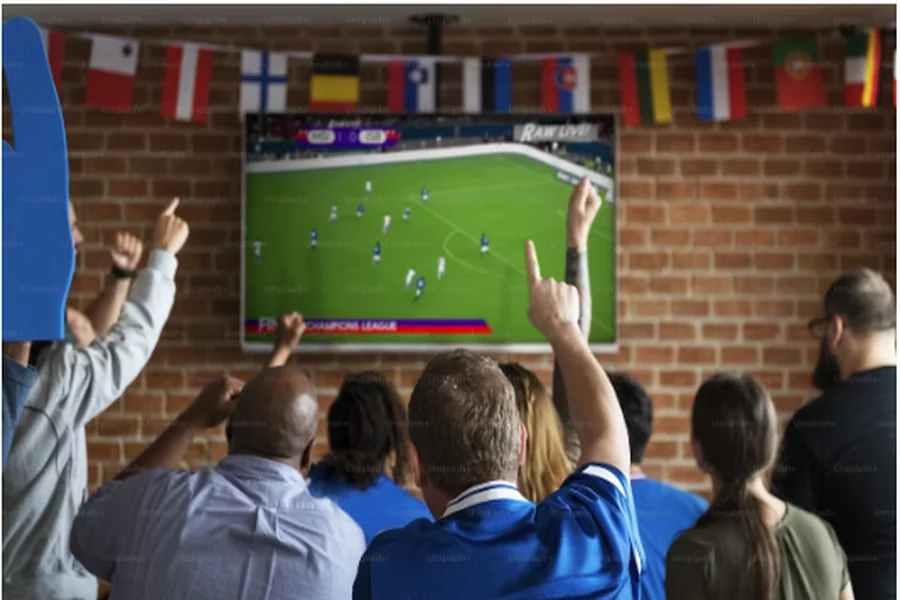
That 90th-minute goal is not just a sporting moment of glory. It is an upsetting, electric turn of the screw. To millions, it is the fine line between euphoria and depression. The late-game winning goal makes an ordinary game into a mythical one. It is a universal gasp heard around the world. Learn what is behind such a strong emotion.
The Drama of the Final Whistle
The last few minutes in a football game are a pressure cooker. Teams are burnt out, and strategies are often abandoned. Substitutes are brought on to make a final effort. All tackles, all passes, and all corner kicks are monumental. The conflict is rising to a climax. It is a real challenge of determination and concentration. Any misstep may be fatal.
This is a time that is added to the game and that is commonly referred to as stoppage time, when miracles occur. A team that is about to lose can get another energy. One personal genius can turn the whole story. The emotion is crude and uncontrollable, especially when you’re following the action on a platform like the Melbet site. The relief of this great tension is given by the final whistle.
Emotional Investment in the Game
Football loyalty is deep-set, personal, generational, and irrational. That is why last-minute goals cause extreme emotions. You are not just being a spectator, but you are living each moment. Emotional spikes are due to:
- Historical club allegiance: individuals associate themselves with a club. A loss is personal.
- Time and energy invested in watching: ninety minutes of emotional tension, and the end hurts more.
- Social stakes: fans desire to boast or are afraid of mockery.
Each objective has a weight. That weight crashes down in the 90+ minute. Whether it’s a winning screamer or a defensive collapse, the emotional response is instant and raw. To numerous fans and gamblers, that one moment lingers more than anything in the game.
The Betting Stakes Behind the Goal
The last whistle is not only the end of the game. To millions, it is the time of reckoning for their bets. An end-of-minute goal will immediately alter the fate of a bet. Football betting odds can swing dramatically in the final seconds, turning a predicted loss into a massive payout. This is where the emotional rollercoaster for gamblers becomes most intense.
Unexpected Payouts and Losses
A late winner can make a dramatic turnaround. Suppose you had staked on a team to win 1-0. At the 90th minute, the score is 0-0. Yours is a worthless ticket. A late goal is, however, a game-changer. You can go from a loss to a giant payout. The experience of victory under the circumstances where one is not expected to win is ecstatic.
On the other hand, a last-minute goal can be devastating. You can win a bet on the losing side. Or you place your bet on a tie, and then it turns out to be a heartbreak. One kick of the ball may cost you a lot of money. This is an instant, painful loss. The emotional effect is increased by the unexpected loss of money.

In-Play Betting Volatility
There is a further tension in in-play betting. Odds are always varying depending on the live action. The chances to win can go out the window in a minute with a late goal. You may have wagered on a team to win, and it was losing. The chances were against them, and the prize was great. That last-minute goal redeems your ticket.
It also works in reverse. You could have placed a bet on a team to win by a big margin. The other side gets a goal late on as a consolation. Your bet on the particular scoreline is lost. In-play betting is always risky. Such a fluctuating environment is high stakes. Each kick is like there is a price tag on it.
Social Media and Viral Reactions
X (previously Twitter), TikTok, and Instagram explode within a few seconds when a stoppage-time goal is scored. Before the replays are over, the clips have gone viral. Fans post goal reactions, heartbreak, betting slips, and celebrations, and these posts go viral. The drama is boosted by broadcasters such as Sky Sports and ESPN, who share slow-mo replays and reactions on platforms.
Such instances take over the timelines as they involve uncertainty, stakes, and emotion. Clips and memes even pull in people who do not watch the match. Social media makes personal experiences become collective experiences. And when a goal changes everything in stoppage time, the internet ensures that no one misses it.
The Psychological Impact on Gamblers
A goal in the 90+ minute does not only impact the bank account; it impacts the heart. That is a sharp fluctuation between victory and defeat. Literature on sports betting indicates that the late results tend to cause regret, anger, or euphoria. These emotional peaks are capable of influencing the decision-making process after the match is over. For many, the aftermath lasts longer than the result itself.
