
Introduction
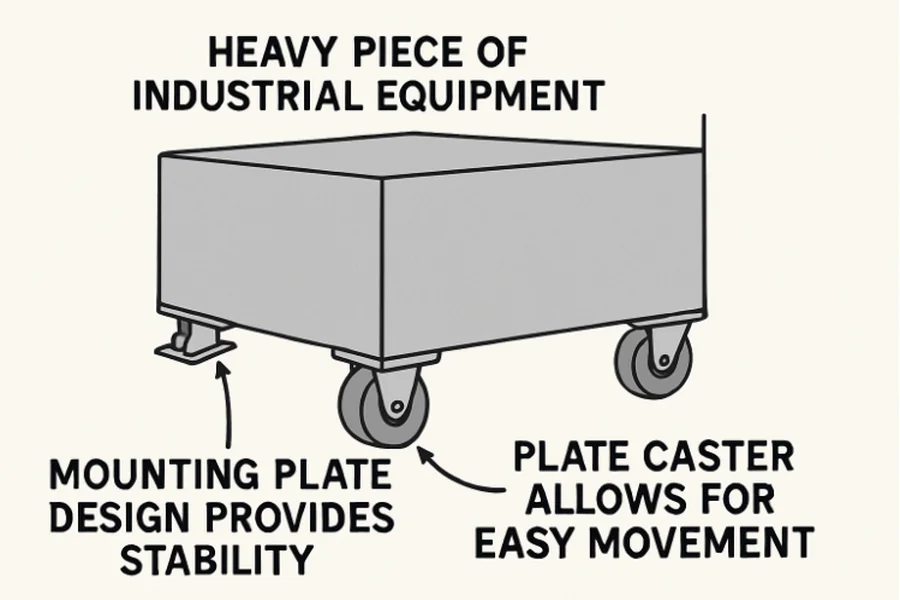
In the fast-paced world of industrial operations, maximizing equipment mobility is fundamental for driving productivity and upholding workplace safety. As demands for efficiency and adaptability grow, industrial facilities increasingly rely on solutions that can keep pace with ever-changing production needs. Among the many mobility options available, plate casters stand out for their combination of durability and versatility, making them truly indispensable in environments where heavy loads and frequent equipment repositioning are everyday realities. Unlike alternative mobility solutions, their flat mounting plate and robust construction allow for reliable attachment to a wide range of equipment. This design helps streamline workflows, reduce time spent on manual handling, and minimize physical strain on personnel who move large or unwieldy objects.
The adoption of plate casters offers organizations more than just added convenience—they are specifically engineered to enhance the effectiveness and reliability of equipment handling. Their secure attachment and steady movement capabilities help minimize the risks posed by equipment breakdowns or transportation mishaps. In industries where operational downtime and workplace accidents can have severe financial and safety consequences, the right caster choice can make a substantial difference. By providing a dependable means of mobility, plate casters help mitigate the risks of equipment failures and workplace accidents, ensuring that productivity is sustained and staff safety remains a top priority.
Enhanced Load-Bearing Capacity
One of the most significant advantages of plate casters is their exceptional load-bearing capacity. These casters are designed to distribute weight evenly across the surface of their mounting plates, enabling them to withstand the heavy demands of heavy machinery, bulk storage units, and other substantial loads commonly found in various industrial settings. Properly selected plate casters ensure that even the heaviest equipment can be moved safely and efficiently, minimizing damage to both the equipment and facility floors.
In industries where production equipment may need to be repositioned regularly or loaded with high-capacity goods, the dependable performance of plate casters becomes especially apparent. These casters are available in various load ratings and are engineered to handle both static and dynamic stresses encountered during movement.
Improved Stability and Safety
The inherent stability of plate casters stems from their flat mounting plates, which provide a secure, broad base for attachment to industrial equipment. This thoughtful design significantly reduces the risk of tipping or wobbling, making plate casters ideal for both sensitive and heavy-duty applications. As a result, operators can move large or delicate machinery with greater confidence, knowing that the risk of catastrophic accidents—such as unexpected tipping or load shifting—has been dramatically reduced. In industrial settings where safety hazards must be stringently managed, plate casters provide peace of mind by significantly reducing the risk of workplace injuries and damage to valuable assets caused by equipment instability.
In addition to physical safety, this heightened stability also supports compliance with industry regulations and company safety protocols, which are increasingly crucial amid more stringent regulatory oversight across manufacturing, warehousing, and logistics.
Versatility Across Applications
Plate casters are remarkably versatile and can be customized for use with a broad array of industrial equipment. Their application extends far beyond the factory floor; common uses include mounting on warehouse carts, dollies, mobile workstations, utility carts, tool chests, and even highly specialized machines within advanced manufacturing plants. This adaptability empowers businesses to integrate plate casters into almost any operational context, enabling staff to transform static equipment into mobile units rapidly. By doing so, companies can enhance efficiency, streamline logistics operations, and maximize workspace flexibility.
Furthermore, plate casters can help organizations comply with ergonomic guidelines and labor standards established by regulatory bodies such as OSHA. By making heavy equipment more mobile and manageable, plate casters reduce the strain of manual handling, keeping employees healthier and reducing the incidence of musculoskeletal injuries. This focus on worker well-being directly impacts overall productivity, as healthier employees are less likely to take time off due to injury or fatigue.
Durability and Longevity
Plate casters are constructed from high-strength materials such as steel, cast iron, or reinforced polymers, enabling them to withstand corrosive, abrasive, and high-impact environments common in industrial settings. Their rugged construction makes them well-suited for facilities where casters are subject to heavy daily use and must withstand exposure to chemicals, extreme temperatures, or rough floor surfaces. This durability translates directly into longevity and consistent operational performance—factors crucial to limiting downtime and maximizing return on investment. By selecting casters made from the appropriate materials for their specific environment, businesses can further extend product life and reduce ongoing replacement part costs.
Ease of Installation and Maintenance
Installation of plate casters usually entails bolting the caster’s mounting plate directly to the equipment, which simplifies and speeds up setup compared to more complex mobility solutions. For many businesses, this ease of installation means reduced initial setup costs and the ability to quickly retrofit older equipment and adapt to changing operational requirements. Maintenance is equally convenient. With regular inspections for wear, periodic cleaning, and occasional lubrication of moving parts, plate casters can remain in optimal working condition for extended periods. In busy industrial environments where every minute of downtime has a cost, this simplicity is invaluable, as it minimizes the need for specialized labor and reduces the labor costs associated with equipment upkeep.
Customization Options
Manufacturers today offer a wide range of customization options, allowing plate casters to be explicitly tailored to the unique requirements of different industrial settings. These choices include varying wheel diameters, tread materials designed for diverse floor surfaces, and functional enhancements such as swivel mechanisms for greater maneuverability or integrated braking systems for secure stationary positioning. The ability to carefully select or customize every aspect of the caster ensures optimal performance and safety—whether an environment demands maximum stability on rough terrain, noise reduction in sensitive areas, or non-marking wheels to protect floors. Customization means businesses never have to compromise on their facility’s operational needs or safety standards.
Cost-Effectiveness
While the initial investment in high-quality plate casters may be slightly higher than for more basic units, their superior durability and lower maintenance requirements deliver long-term savings. These cost savings extend beyond just replacement parts and downtime reduction—by improving workplace safety and reducing the risk of injuries, companies can minimize costly workers’ compensation claims and property damage expenses. Additionally, the operational improvements enabled by plate casters—such as minimized bottlenecks, faster material handling, and greater overall productivity—ultimately support increased profit margins for industrial businesses. For organizations committed to long-term operational efficiency, the return on investment from plate casters is substantiated through these combined savings and performance improvements.
Conclusion
Plate casters play a crucial role in optimizing industrial operations by providing enhanced load-bearing capacity, improved stability, greater versatility, and resilience against harsh working conditions. Their ease of installation, extensive customization options, and cost-effectiveness make them a smart investment for businesses seeking to improve safety, efficiency, and overall productivity. As industries continue to evolve and demand greater agility from their equipment, integrating plate casters into workflows is an essential step toward streamlining operations and creating safer, more adaptable workplaces. Ultimately, the inclusion of plate casters not only supports the smooth movement of heavy equipment but also reinforces broader workplace safety, employee well-being, and long-term operational success goals.
