
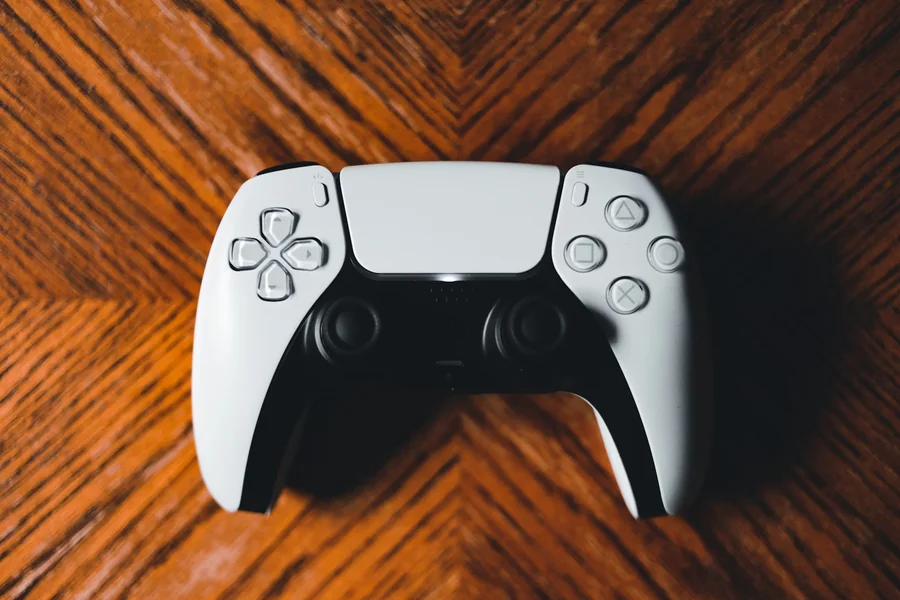
A hard day leaves noise in the body. The mind keeps replaying conversations, the shoulders stay lifted, and even small tasks feel oddly loud. In that state, “rest” is not always a nap or a walk. Sometimes recovery looks like a simple game that gives the brain one clear track to follow, instead of ten unfinished thoughts.
Modern screens offer every kind of distraction, from calm puzzles to loud clips and even random searches like roulette online india that pop up in ads or trending keywords. A tired mind often clicks fast, not wisely. The real win comes from choosing games that soothe, not games that spike stress and keep the nervous system on alert.
Why Games Can Feel Restorative
Games create structure when life feels messy. A level starts and ends. A task has rules. Progress is visible. That clarity matters after a day filled with vague pressure and nonstop decisions. The brain gets a boundary line, and the body finally stops bracing for the next surprise.
Another reason is control. A tough day often includes moments where nothing could be fixed in real time. In a game, actions have immediate feedback. That feedback can feel like a gentle rinse for the mind, especially when the game rewards patience instead of speed.
Picking The Right Kind Of Game For The Mood
Not every game helps recovery. Some titles are basically a second job. Competitive modes, aggressive timers, and endless grind can push the same stress buttons that work already pressed all day. Recovery games usually share one trait: the experience feels safe.
A Small Menu Of Low-Stress Game Choices
- cozy building and decorating that rewards slow progress
- puzzle games with short rounds and clean rules
- story games that move like a quiet novel
- rhythm games that match breathing and tempo
- simple racing in time trial mode without pressure
- sandbox exploration with no forced objectives
The best option depends on the kind of tired. Mental exhaustion often likes predictable puzzles. Emotional exhaustion often likes gentle stories. Physical tiredness often likes calm repetition, the kind that feels like knitting but on a screen.
The Tiny Psychology Behind The Comfort
A good recovery game lowers cognitive load. Fewer decisions, fewer social expectations, fewer open tabs in the mind. The brain shifts from “monitor everything” to “focus on one loop.” That shift can nudge the body toward a calmer state, closer to the parasympathetic side of the nervous system.
There is also the idea of “flow,” when attention locks in without forcing it. Flow is not hype. It is simply the moment when the mind stops wandering because the task fits the current energy level. A game can be created that fits better than scrolling, because scrolling rarely has an end point.
Setting Boundaries So Gaming Stays A Recovery Tool
Gaming helps most when the session has a shape. Without a shape, recovery can turn into avoidance, and avoidance tends to feel worse later. A short, intentional session can be surprisingly powerful, especially on weekdays.
Small habits make the difference. Choosing a single game before launching the console. Turning off chat if social energy is gone. Setting a soft limit like “two rounds” instead of “until sleep happens.” The goal is not discipline for discipline’s sake. The goal is protecting the calm.
When A Game Stops Helping
Sometimes a game becomes a stress amplifier. Signs show up fast: irritation after losses, jaw tension, endless “one more” loops, or a mood that feels thinner instead of steadier. That is not failure. That is feedback.
Switching genres can help, but stopping can help even more. A recovery game should feel like a warm shower, not like arguing in a comment section.
A Simple Wind-Down Routine That Still Feels Fun
The most sustainable approach treats gaming like a closing ritual, not like an escape hatch. A person can keep the fun and still protect tomorrow’s energy.
A Quick Recovery Routine That Fits Real Life
- pick one game and stick with it
- start with ten minutes to warm up attention
- pause after a level to notice tension
- stop at a natural break point
- finish with a quiet screen for two minutes
- end with a small real-world reset like water or a stretch
This routine keeps gaming in the “reset” category. It also makes the next day easier, because sleep is not fighting an over-stimulated brain.
Closing Thought
Games can be more than entertainment after a heavy day. The right kind of play gives the mind a clean lane, gives the body a chance to unclench, and turns leftover stress into something manageable. The best part is simple: recovery does not always need big solutions. Sometimes a small, well-chosen game is enough to bring the system back to baseline, quietly and honestly.
