
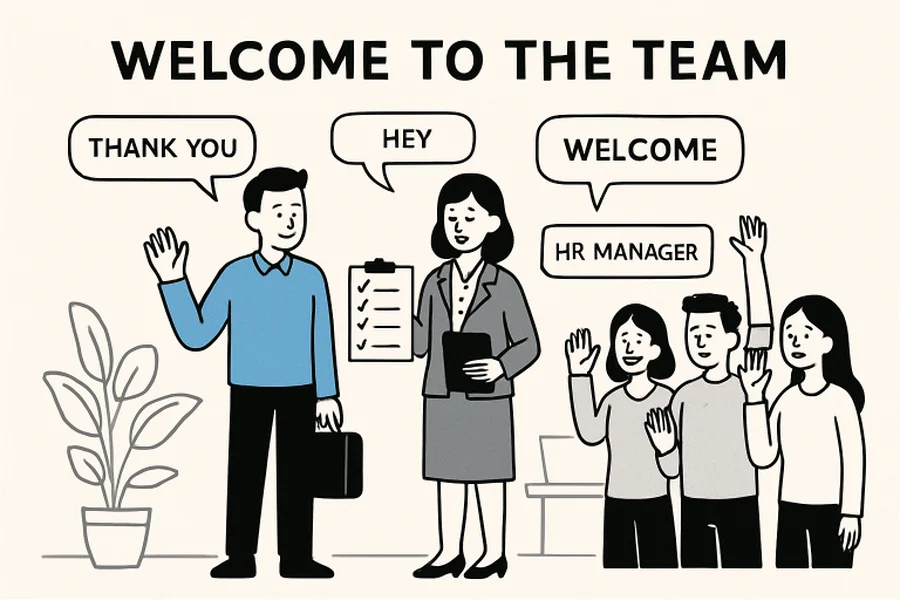
Integrating new team members is a pivotal part of organizational growth and long-term success. A smooth, efficient onboarding process shapes each new hire’s experience, cultivates a strong company culture, and drives positive outcomes from day one. The first days and weeks of employment are filled with anticipation, curiosity, and sometimes uncertainty for new hires, making it essential that organizations provide a welcoming and structured experience. Implementing a well-defined onboarding system for HR teams can create a seamless transition for both employees and the organization, fostering productivity and lasting engagement. Well-executed onboarding helps new employees quickly acclimate to their roles, understand company values, and forge connections with colleagues, setting the tone for ongoing engagement and motivation.
For organizations aiming to lead in talent retention and workplace satisfaction, structuring onboarding effectively is a competitive necessity. In today’s dynamic business landscape, employees have more choices than ever, and a poorly managed onboarding process can quickly lead to disengagement and loss of top talent. Digital solutions, targeted support, and personal attention can turn a new hire’s first days into a launchpad for lasting achievement and growth. Companies that invest in comprehensive onboarding demonstrate their commitment to employee success, leading to improved morale and a better overall employer reputation in their industry.
The Importance of Effective Onboarding
Employee onboarding is often the first impression employees receive of how a company operates and values its people. When onboarding lacks structure or attention, the costs are high. Studies show that nearly one in five new employees leave within the first 45 days, and approximately one-third leave within three months. Such turnover can disrupt team cohesion and lead to expensive recruitment cycles, sometimes costing 50 to 200 percent of the departing employee’s annual compensation.
Setting clear expectations, fostering a sense of belonging, and offering early wins can dramatically improve first-year retention rates and overall morale. A well-designed onboarding program not only conveys important information but also establishes a foundation of trust and open communication that persists throughout the employee’s journey. A clear onboarding process reassures new employees, lays out goals, and reduces the uncertainty that often accompanies starting a new job. Leading organizations consistently invest in this phase, treating it as the starting point of the employee journey rather than a simple administrative step. In the long run, these efforts pay dividends in productivity, commitment, and reduced turnover.
Leveraging Digital Tools for Onboarding
Digital transformation in HR has reached the onboarding process, providing game-changing efficiencies. Platforms designed to automate onboarding now enable HR professionals to handle paperwork, compliance checklists, and policy training with minimal manual intervention. Automated emails, electronic forms, and interactive training modules simplify the experience for both HR and new hires. This means that the process is both faster and less error-prone, giving managers more bandwidth to focus on connecting with and supporting their new colleagues. The use of e-signatures and electronic document management also ensures greater security and accuracy, reducing the risk of lost or misplaced forms. According to TimeForge, embracing digital onboarding accelerates ramp-up to full productivity and boosts new-hire confidence.
These platforms can also offer customized learning content and track progress, resulting in measurable gains for companies committed to continuous improvement and compliance. Integration with other HR systems, such as payroll and benefits management, provides new hires with a smoother, more unified experience. In addition, analytics can reveal bottlenecks in the process and highlight areas for improvement, enabling HR teams to iterate and innovate.
Personalizing the Onboarding Experience
No two employees are alike. The most effective onboarding programs recognize that individual needs, backgrounds, and aspirations require thoughtful attention. For example, some employees may thrive with hands-on training, while others prefer self-guided learning modules and independent work. Tailoring the process by setting clear 30/60/90-day milestones gives new hires a roadmap for success and reveals measurable achievements along the way. This method ensures new employees feel seen, heard, and supported as they find their place within the organization. Building in flexibility to accommodate different roles and learning styles is key for organizations wishing to reflect genuine inclusion in their onboarding process. This can involve pairing new hires with mentors, offering role-specific shadowing opportunities, or tailoring resources to specific departments.
Continuous Feedback and Support
Feedback is crucial for building strong working relationships. New employees need regular check-ins and the ability to voice questions or concerns in a safe and supportive environment. Creating structured feedback loops and maintaining open channels of communication during the onboarding process ensures that employees are not left to struggle on their own. Weekly one-on-ones and frequent surveys can help gauge the effectiveness of onboarding and allow HR to make real-time adjustments. This approach builds trust, reveals challenges early, and empowers new hires to flourish within their teams.
Ongoing support should not end after the first few weeks. Successful organizations view onboarding as a months-long process, checking in on progress well after initial training, to encourage engagement and professional growth. Offering access to learning resources, internal networks, and development opportunities further enables new hires to grow in confidence and capability over time.
Case Study: Microsoft’s Onboarding Transformation
Microsoft’s recent revamp of its onboarding process offers a real-world model for HR innovation. By utilizing verifiable credentials, the company has expedited onboarding across locations, reduced operating costs, and improved security. This technical shift has also helped Microsoft remain compliant with global privacy requirements and enhanced the experience of both new hires and HR administrators. Their digital approach not only reduces manual work but also enables scaling onboarding across multiple regions.
Conclusion
Onboarding is far more than just a checklist or an obligatory welcome meeting. It is a strategic opportunity to engage, empower, and retain talent. Organizations that prioritize comprehensive, digital, and personalized onboarding gain a significant edge in employee productivity, morale, and retention. Internal research increasingly shows that the effort put into onboarding correlates directly with long-term employee happiness and business outcomes. By making the onboarding process a positive and efficient experience, businesses set themselves and their new hires up for long-term success, positioning themselves as employers of choice in a competitive market.
