
Online mahjong ways 2 has already reshaped entertainment, but what lies ahead is even more powerful. The future of online gaming is not just about better graphics or faster gameplay—it is about creating intelligent, immersive, and deeply connected digital worlds. As technology evolves, online gaming is moving toward becoming a complete digital lifestyle rather than just a pastime.
From artificial intelligence to virtual reality, the next generation of gaming experiences is set to change how people interact with technology and with each other.
Smart Worlds
Future online games will be smarter than ever. Artificial intelligence will not just control enemies—it will shape entire environments. Games will adapt based on player behavior, creating unique experiences for every individual.
Instead of fixed storylines, players may experience dynamic narratives that change with their decisions. This will make each gaming journey personal and unpredictable.
Hyper Real
Graphics and realism are advancing rapidly. With powerful engines and hardware, games are becoming visually close to real life.
Future online gaming will focus on deeper immersion. Lighting, physics, and character animations will feel more natural, making players feel like they are inside the game rather than just controlling it.
Virtual Presence
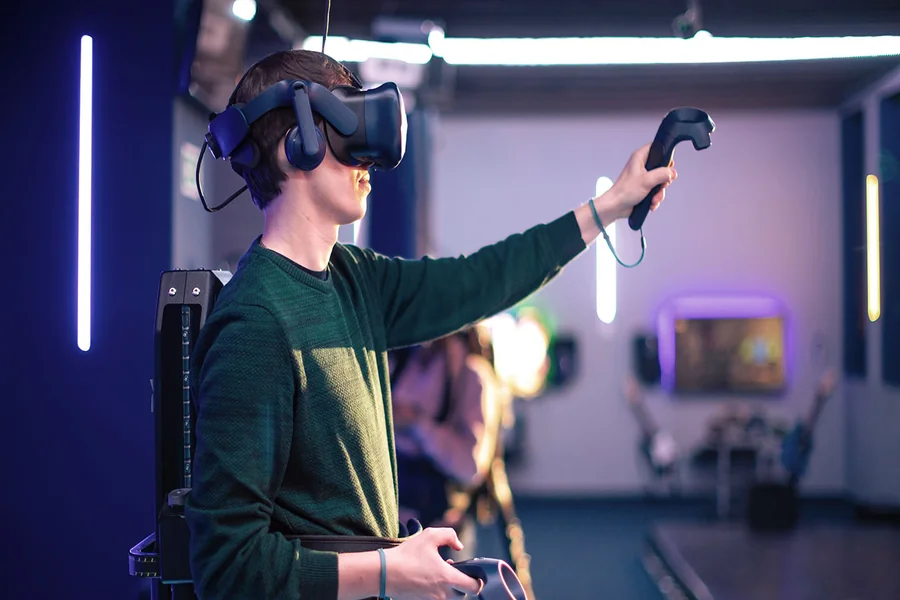
Virtual reality is expected to play a huge role in the future of online gaming. Instead of using a screen, players will step directly into game worlds.
Imagine walking through a virtual city, interacting with other players face-to-face, and experiencing gameplay from a first-person perspective in a fully immersive way. This level of presence will redefine gaming experiences.
Cloud Power
Cloud gaming is removing hardware limitations. Players will not need expensive PCs or consoles to enjoy high-end games.
Services will allow users to stream games directly to their devices, making gaming more accessible. This will open the door for millions of new players worldwide.
Global Play
Online gaming is becoming truly global. Cross-platform systems already allow players from different devices to play together, and this trend will continue to grow.
In the future, there will be fewer restrictions. Players will join games seamlessly, regardless of location or device, creating larger and more active communities.
Creator Economy
Gaming is no longer limited to playing—it includes creating and earning. Platforms like YouTube and Twitch have already shown how players can turn gaming into a career.
In the future, more tools will be available for players to create content, design games, and monetize their creativity. Gaming will continue to merge with the creator economy, offering new opportunities.
Competitive Rise
Esports will continue to grow as a global industry. Competitive games like Valorant and Fortnite are already attracting massive audiences.
Future tournaments may become even larger, with better production, bigger prize pools, and more recognition. Esports could stand alongside traditional sports as a major form of competition.
Digital Ownership
The concept of ownership in games is evolving. Players want control over their in-game items, achievements, and identities.
Future systems may allow players to carry their digital assets across different games or platforms. This could create a more connected gaming ecosystem where progress and items are not limited to a single game.
Social Spaces
Online games are becoming social platforms. Players do not just compete—they meet, communicate, and spend time together.
Future games will likely expand this concept further, creating virtual spaces where people can attend events, collaborate, and interact in new ways. Gaming could become one of the primary methods of social communication.
AI Integration
Artificial intelligence will improve every aspect of online gaming. From smarter matchmaking to realistic non-player characters, AI will enhance gameplay quality.
It may also help detect cheating, reduce toxic behavior, and create safer gaming environments. AI-driven systems will make games more fair, balanced, and enjoyable.
Challenges Ahead
Despite its bright future, online gaming must address certain challenges. Issues like addiction, data privacy, and fair monetization will need careful attention.
Developers will need to balance innovation with responsibility. Creating enjoyable yet healthy gaming environments will be key to long-term success.
Cultural Shift
Online gaming is already influencing global culture, and this impact will continue to grow. It shapes trends, communication styles, and even career choices.
As gaming becomes more integrated into daily life, it will play an even bigger role in how people interact with technology and each other.
Conclusion
The future of online gacor66 is full of possibilities. It is moving beyond entertainment into a space where technology, creativity, and human connection come together.
As new innovations emerge, online gaming will continue to evolve, offering deeper experiences and broader opportunities. It is not just about playing games anymore—it is about living in digital worlds that feel as real and meaningful as the physical one.
