
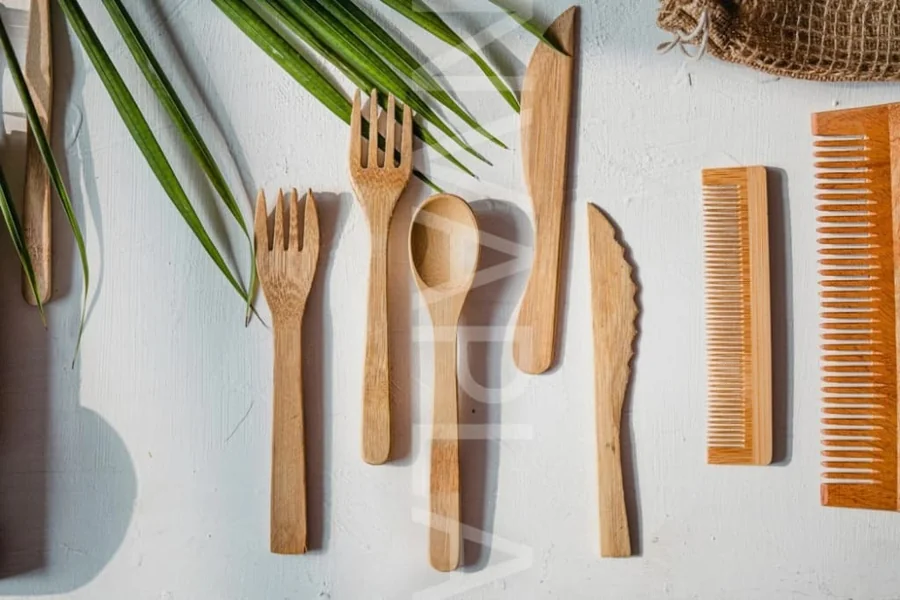
Plastic pollution has driven many of us to seek better alternatives for our daily lives. From grocery bags to straws, the shift toward sustainable materials is gaining serious momentum. One of the most popular swaps in recent years is bamboo cutlery. You might have seen these lightweight, wooden-looking utensils at picnics, in takeout bags, or even in high-end eco-friendly subscription boxes. But a common question lingers for many new adopters: is this just another single-use item, or can you actually keep using it? When you purchase a set from a reputable bamboo cutlery manufacturer, you are often getting a product designed for longevity, not just a quick throwaway solution.
This article explores the truth about bamboo cutlery’s durability. We will look at why it’s reusable, how to care for it properly, and the environmental impact of choosing reuse over single-use disposal.
The Durability of Bamboo: More Than Just Grass
Many people mistakenly lump bamboo cutlery into the same category as flimsy plastic forks that snap the moment they touch a piece of steak. However, bamboo is naturally robust. Biologically, it is a type of grass, but it possesses a tensile strength that rivals steel.
Why Bamboo Is Naturally Tough
Bamboo fibers are dense and flexible. This unique combination allows the material to withstand pressure without breaking easily. Unlike traditional wood, which might splinter if not treated correctly, bamboo has a smooth, hard surface that resists moisture naturally. This natural resistance is the first clue that these utensils are built for more than one meal.
When processed into cutlery, the bamboo is usually cut, shaped, sanded, and sometimes treated with a food-safe oil. This manufacturing process locks in the material’s natural strength. A high-quality bamboo spoon or fork can handle hot soups, tough meats, and repeated washing without degrading immediately.
Single-Use vs. Reusable Grades
It is important to note that not all bamboo cutlery is created equal. There is a distinction between the ultra-thin, rough-hewn options often found at street food stalls and the polished, thicker sets sold for travel or home use.
- Disposable Grade: Thin, lightweight, and sometimes unfinished. These can technically be washed and reused a few times, but they are prone to splintering or warping after heavy exposure to water.
- Reusable Grade: Thicker, smoother, and finished with natural oils or lacquers. These are designed explicitly to be washed and reused hundreds of times, much like your metal silverware.
How to Care for Bamboo Cutlery to Extend Its Lifespan
If you want your bamboo utensils to last for years rather than weeks, how you treat them matters. While they are durable, they are organic material. They interact with their environment differently than stainless steel or plastic.
Washing Best Practices
The biggest enemy of bamboo is prolonged exposure to moisture. While bamboo loves water when it’s growing, it doesn’t like to swim once it’s been made into a fork.
- Hand Wash is Best: The high heat and harsh detergents of a dishwasher can strip natural oils from the bamboo, causing it to dry out and crack. A simple hand wash with warm soapy water is ideal.
- Avoid Soaking: Never leave your bamboo cutlery soaking in the sink. The material can absorb water, swell, and then warp as it dries. Wash them right after you eat.
- Dry Immediately: After washing, towel dry your utensils. Letting them air dry while wet can encourage mold growth or warping, especially in humid climates.
Revitalizing Your Utensils
Over time, even the best bamboo cutlery might look a little dry or faded. This doesn’t mean it’s time to throw them in the compost. You can easily bring them back to life.
- Sand it Down: If a spoon feels rough or develops a small splinter, use fine-grit sandpaper to smooth it out.
- Oil It Up: Just like a wooden cutting board, bamboo benefits from occasional oiling. Rub a food-safe mineral oil, coconut oil, or bamboo conditioner into the wood. Let it sit for a few hours (or overnight) and wipe off the excess. This restores the moisture barrier and keeps the utensil smooth.
The Environmental Impact of Reusing Bamboo
Choosing to reuse your bamboo cutlery isn’t just about saving money; it’s a powerful environmental statement. We live in a culture of convenience where “disposable” is the default. Breaking that cycle requires conscious effort, and it represents the true height of environmental responsibility.
reducing the Carbon Footprint
Every time you reuse a utensil, you negate the need for a new one to be produced, packaged, and shipped. While bamboo is a fast-growing, renewable resource that absorbs immense amounts of Carbon Dioxide, the manufacturing and transportation processes still have a footprint. By extending the life of a single fork from one use to one thousand uses, you dramatically lower the carbon impact associated with your meals.
Keeping Waste Out of Landfills
The ultimate goal of sustainable living is zero waste. Even though bamboo is biodegradable, sending it to a landfill isn’t ideal. In a landfill, organic matter often decomposes anaerobically (without oxygen), which produces methane—a potent greenhouse gas. By reusing your cutlery until it physically cannot be used anymore, you keep material out of the waste stream. When it is finally time to retire the utensil, it can be composted properly in a home compost bin where it will break down into nutrient-rich soil rather than methane.
Practical Scenarios for Reusing Bamboo Cutlery
The Office Lunch
Metal cutlery can be heavy and clunky to carry back and forth to work. Plastic is terrible for the planet. A bamboo set is lightweight and typically comes in a cloth travel pouch. Keep a set in your desk drawer or lunch bag. It’s quiet (no clinking against glass containers), effective, and easy to rinse off in the office breakroom.
Travel and Camping
For backpackers and campers, every ounce of weight matters. Bamboo is significantly lighter than metal, making it a favorite for hiking trips. It’s durable enough to stir a pot of campfire chili but won’t weigh down your pack. Plus, if you accidentally lose a spoon in the woods, you aren’t leaving behind a piece of plastic that will pollute the environment for centuries.
Zero-Waste Dining Out
Keep a set in your car or purse. When you order takeout or visit a fast-casual restaurant that only offers plastic, you can politely decline and use your own. It’s a small action, but it creates a visual ripple effect that encourages others to think about their waste.
When to Finally Retire Your Bamboo Cutlery
Nothing lasts forever. Eventually, your bamboo fork or spoon will reach the end of its life, and you can learn more sustainable tips on wikimitra. Knowing when to stop using it is important for safety and hygiene.
You should consider retiring and composting your utensil if:
- Deep Cracks Appear: Deep fissures can harbor bacteria that are difficult to wash out.
- Severe Splintering: If sanding doesn’t fix rough edges, it’s time to let it go to avoid injury.
- Mold Growth: If black spots appear that cannot be scrubbed or sanded away, the wood has been compromised by moisture and should be composted.
Conclusion
Can bamboo cutlery be reused multiple times? Absolutely. In fact, reusing it is the entire point. While it is often marketed as a better disposable option, its true value lies in its longevity. With just a little bit of care—hand washing, immediate drying, and occasional oiling—a high-quality bamboo set can become a trusty companion for your meals for years to come. It bridges the gap between the convenience we crave and the sustainability our planet needs, and movements like blessings often remind us of that balance. So, next time you pick up that bamboo fork, remember: don’t toss it. Wash it, oil it, and use it again.
