
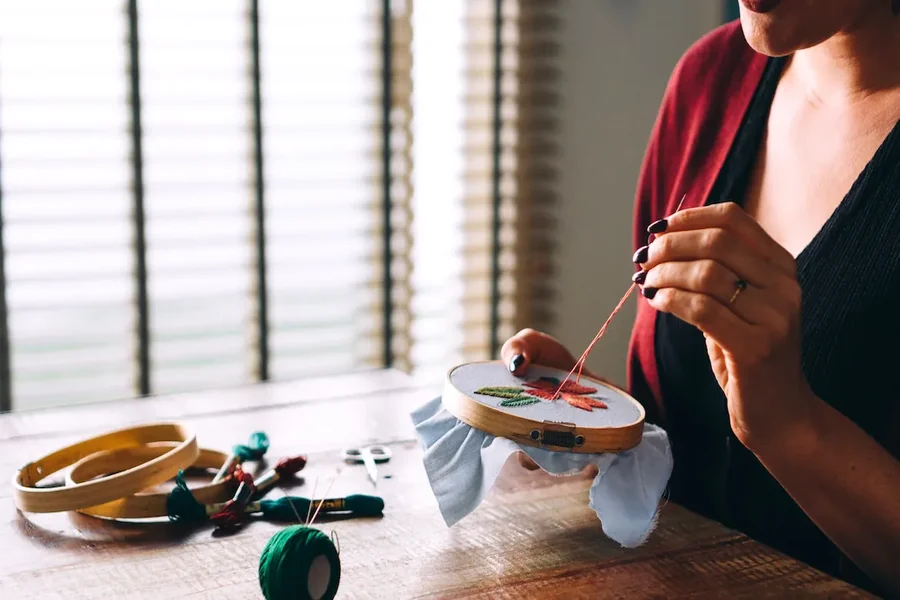
Hobbies begin as choice. We pick up a camera, a sketchbook, a mixing deck, a coding project, or a garden plot because it feels alive to learn and make. Over time, many people notice a shift. The task list grows, deadlines appear, and a pastime starts to resemble a side job. The result is a strange fatigue: we still care about the craft, yet the act of doing it drains more than it gives.
Online platforms and small markets accelerate that shift. Sharing turns into posting schedules, improvement becomes performance metrics, and friendly feedback morphs into demand. The pleasure of tinkering now sits under a calendar. For a small, concrete view of how prompt–reward loops can steer attention and risk, you can click here and consider how similar cycles show up in creative routines that chase likes, tips, or sales.
Why Burnout Shows Up in Hobbies
Burnout is not only overwork. It is the mismatch between energy spent and meaning received. In hobbies, three forces create that gap:
- Metric drift. We start with curiosity, then switch to numbers: followers, orders, views. Metrics promise clarity but also narrow the idea of progress.
- Audience capture. A small group rewards a certain style or topic, and we repeat it because it gains response. Range shrinks; risk feels costly.
- Role confusion. A hobbyist begins to act like a vendor or teacher without adjusting time, tools, or boundaries. The new role expects reliability that the old setup cannot support.
When these forces stack, the craft feels like obligation, and the brain resists opening the toolbox.
The Hidden Costs of Turning Play into Output
Every hobby has unseen tasks: prepping materials, cleaning up, bookkeeping, shipping, editing, responding to messages. When a pastime scales, these tasks multiply. The ratio of making to managing flips. People feel stuck “working around” their hobby instead of inside it. This inversion often arrives quietly—five minutes here, ten minutes there—until sessions are mostly logistics.
Expectation Inflation and the Loss of Range
Improvement brings expectations. A new lens begs to be used, a better instrument asks for practice, a bigger project seeks a larger audience. Upgrades raise the floor for what counts as a “real session.” Short, rough attempts feel unworthy. Range narrows to serious blocks of time, which are rare. The result is fewer starts and more guilt about not starting.
The Psychology of Voluntary Pressure
Because no boss assigns the task, hobby pressure is self-made and harder to refuse. We negotiate with an internal ideal: “If I cared, I would…” That voice often borrows standards from professionals whose context is different—dedicated space, paid time, support networks. Measuring a spare-hour practice against full-time output sets up a permanent loss.
Signs You’re Crossing from Flow to Burnout
- You prepare more than you practice.
- You postpone sessions because conditions are not perfect.
- You feel relief when a planned session gets canceled.
- You track progress but cannot say what the numbers mean for you.
- You avoid beginners in your craft because their joy is uncomfortable.
Two or more of these signals suggest a reset is due.
Reset 1: Shrink the Unit of Work
Define a unit you can finish in 20–40 minutes: one page, one riff, one sketch, one test mix, one paragraph, one photograph processed end to end. The aim is to restore completion as a frequent event. Completion builds momentum; momentum lowers the threshold for the next start.
Reset 2: Separate “Lab” from “Showroom”
Mixing exploration with presentation creates friction. Create two modes:
- Lab sessions: no posting, no selling, no external deadlines. Label experiments, keep notes, and store results in a folder nobody sees.
- Showroom sessions: select, polish, present. Limit to a fixed cadence you can sustain.
The wall between modes protects curiosity from the pressure to explain every step.
Reset 3: Define Enoughness
Write a one-sentence standard for “good enough for me.” Examples: “A session is enough if I learn one new chord shape,” or “if I produce one image I do not hate.” This stops sessions from expanding to fill the day. Enoughness also blunts perfectionism, which is a common driver of avoidance.
Reset 4: Rotate Roles on Purpose
Hobbies include roles beyond maker: student, critic, curator, mentor, archivist. Burnout often reflects staying in one role too long. Try a month as a student only, then a month as a curator selecting old work, then a month as a maker. Rotation keeps identity from fusing with one output channel.
Reset 5: Put a Price on the Hidden Work
If you monetize any part of the hobby, price the logistics. Include prep, packing, edits, and messaging time. If the numbers do not support your effort, reduce scope or switch to pre-order models that match demand to capacity. Underpricing is not generosity; it is a path to resentment.
Social Boundaries That Protect the Craft
- Quiet windows. Set weekly blocks when you do the hobby without sharing.
- Reply cadence. Batch messages to one window per day or every other day.
- Opt-out scripts. Prepare two sentences that decline requests for free work, rush jobs, or “just one more revision.” Scripts lower the emotional cost of saying no.
Community Without Competition
Peers can either buffer burnout or amplify it. Favor small groups that share process, not just results. Exchange drafts, trade constraints (“write only in present tense this week”), and run low-stakes challenges with clear endings. Public leaderboards and open-ended sprints tend to spike anxiety. Closed circles with simple rules tend to build skill and stamina.
Designing for Friction—On Purpose
A little friction slows reactive behavior and restores choice. Examples:
- Store posting apps behind a folder and a password.
- Keep equipment set up for the next small unit, not the largest project.
- Use physical checklists for session setup and teardown to cut decision load.
Friction is not punishment; it is a cue to ask, “Do I want to do this now?”
When to Pause, Not Push
Take a scheduled gap if you dread even the small unit. Declare a month for inputs only: visit a gallery, read old notebooks, listen to others’ work, fix tools, label files. Pauses that include light maintenance make the return easier than cold rest. If dread persists, consider ending the monetized part while keeping the hobby private.
Metrics that Do Not Kill Joy
Track a few signals that reflect health, not hype:
- Starts per week (any length).
- Completions per week (the small unit).
- Hours spent in “lab” vs. “showroom.”
- Sessions that felt better at the end than the start.
Ignore follower counts for a quarter. If health metrics improve, keep the shift.
A Practical Compact You Can Keep
- One small unit, three times a week.
- One lab week every month.
- One no-share day every week.
- One boundary you enforce without apology.
- One reminder on the wall: “This is optional.”
Closing Thought
Hobbies turn into work when metrics, audience expectations, and hidden logistics crowd out the original reason to make. The answer is not to abandon skill or ambition, but to restore proportion: shrink units, separate exploration from display, price the real effort, and rotate roles. When you protect the lab and loosen the grip of numbers, the craft regains its pulse. Then the work you choose to share feels chosen, not coerced—and the hobby can be a source of energy again, not a drain.