
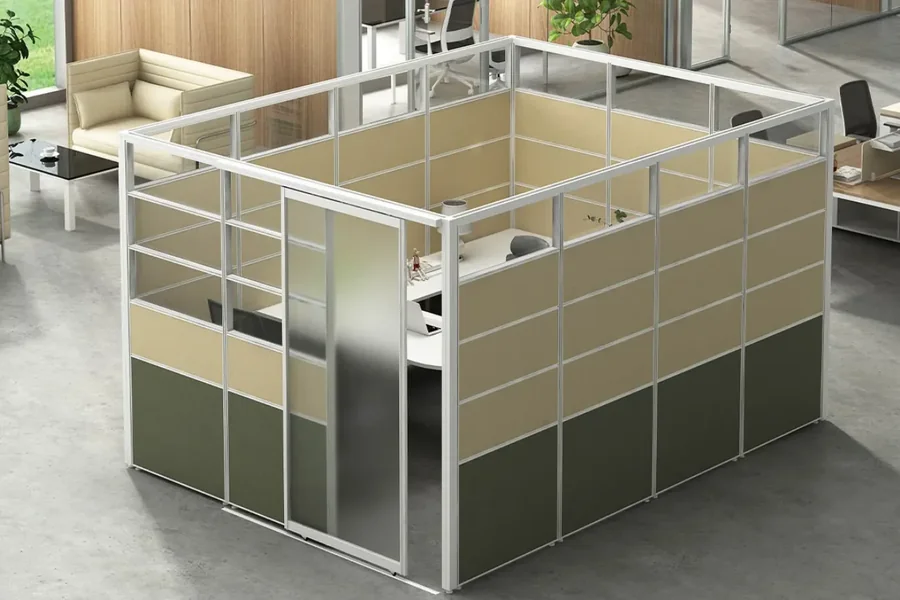
In the ever-evolving landscape of workplace design, the humble cubicle has undergone a dramatic transformation. Once synonymous with isolation and monotony, modern cubicles now strive to strike a delicate balance between privacy and openness. As organizations increasingly prioritize both individual productivity and team collaboration, the cubicle has reemerged as a versatile solution that caters to the nuanced needs of today’s workforce.
The Rise, Fall, and Reinvention of the Cubicle
The cubicle was born in the 1960s as a revolutionary concept aimed at giving employees personal space within open-plan offices. Initially celebrated for its ability to provide structure and privacy, it quickly became a symbol of corporate rigidity. Rows of identical partitions created environments that felt more like mazes than places of inspiration. By the early 2000s, the pendulum had swung toward open offices, with companies tearing down walls in favor of communal desks and shared spaces.
However, the open office trend brought its own set of challenges. While it encouraged interaction and flattened hierarchies, it also led to distractions, noise, and a lack of personal boundaries. Employees began to crave quiet zones and private corners where they could concentrate without interruption. This shift in sentiment paved the way for the cubicle’s reinvention—not as a relic of the past, but as a forward-thinking design element that harmonizes solitude and synergy.
Designing for Duality: Privacy Meets Collaboration
Modern cubicles are no longer rigid boxes. They are thoughtfully designed environments that adapt to the dynamic nature of work. With sleek lines, adjustable panels, and integrated technology, these workstations offer a sense of enclosure without complete isolation. The goal is not to shut people out but to create a personal haven that supports deep focus while remaining visually and acoustically connected to the broader team.
Transparency plays a key role in this new design philosophy. Glass partitions, partial dividers, and open sightlines allow for spontaneous interaction while maintaining a sense of personal space. Employees can glance across the room to catch a colleague’s eye or engage in quick conversations without leaving their desks. At the same time, sound-absorbing materials and ergonomic layouts help minimize distractions, enabling workers to concentrate when needed.
The Psychology of Space: Why It Matters
Workplace design is not just about aesthetics—it’s about psychology. The physical environment influences mood, behavior, and performance. When employees feel cramped or exposed, their stress levels rise and their productivity drops. Conversely, when they have control over their space, they feel empowered and engaged.
Modern cubicles cater to this psychological need for autonomy. Adjustable lighting, personalized décor, and flexible seating arrangements allow individuals to tailor their workspace to their preferences. This sense of ownership fosters a deeper connection to the job and enhances overall well-being. At the same time, the semi-open nature of these cubicles prevents feelings of isolation, reminding employees that they are part of a larger community.
Technology as a Bridge, Not a Barrier
In today’s digital age, technology is seamlessly woven into the fabric of modern cubicles. Integrated charging stations, wireless connectivity, and smart screens enable employees to stay connected without clutter. Video conferencing tools and collaborative software make it easy to engage with remote colleagues, breaking down physical barriers and expanding the reach of teamwork.
Importantly, technology is used to enhance—not replace—human interaction. While digital tools facilitate communication, the physical design of the door for cubicle encourages face-to-face engagement. Employees can swivel their chairs to join impromptu discussions or slide open a panel to brainstorm with a neighbor. This fluidity between digital and physical collaboration is a hallmark of the modern workspace.
Flexibility for a Hybrid World
The rise of hybrid work models has further underscored the need for adaptable cubicle designs. Employees now split their time between home and office, and when they do come in, they expect environments that support a range of activities—from focused solo work to lively team meetings. Modern cubicles respond to this demand with modular components that can be reconfigured based on the task at hand.
Some companies have embraced “neighborhood” layouts, where clusters of cubicles are grouped by function or project. This fosters a sense of belonging and makes it easier for teams to collaborate organically. Others have introduced “hoteling” systems, allowing employees to reserve cubicles as needed, ensuring efficient use of space and resources.
The Future of Cubicle Culture
As workplace norms continue to evolve, the cubicle will remain a central element of office design—not as a static fixture, but as a dynamic tool for balancing focus and collaboration. Its success lies in its ability to adapt to changing needs, embrace new technologies, and support the diverse work styles of modern professionals.
Ultimately, the modern cubicle is a testament to the power of thoughtful design. It proves that privacy and openness are not mutually exclusive, but rather complementary forces that, when balanced correctly, can transform the way we work. In a world where distractions are plentiful and connection is vital, the cubicle offers a quiet refuge and a collaborative bridge—private yet open, just as today’s workplaces demand. Discover innovative workspace solutions tailored to your business needs at corporateofficeint.com—where design meets functionality.
