
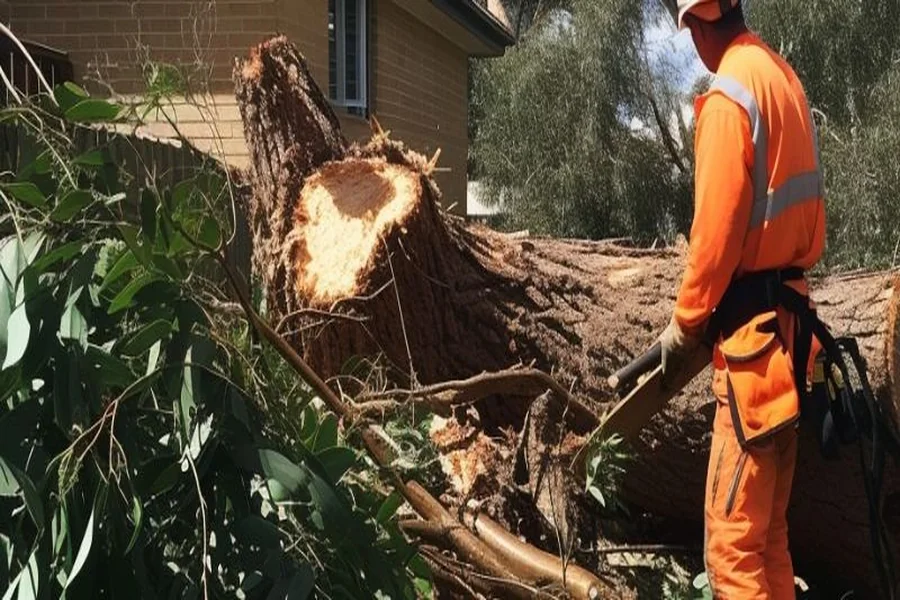
Severe climate can change the circumstances of bushes within a short time. Strong winds, heavy rain, or unexpected strain may additionally cause branches to break, trunks to weaken, or entire bushes to shift all of a sudden. These situations frequently create risks for humans and nearby structures. Emergency tree offerings awareness on short reaction and cautious coping to lessen danger and repair stability. Acting straight away helps save you from further damage whilst shielding long-term tree health. Clear evaluation, safe techniques, and knowledgeable selections are crucial at some stage in those moments. Understanding how emergency services work lets in property owners respond evenly and responsibly. With the right assistance, damaged timber may be managed successfully whilst minimizing disruption and ensuring sure more secure environment for everybody involved.
Immediate Response
After storm damage, timing plays a major role in limiting risks. Emergency teams assess conditions quickly to identify unstable trees or hanging branches. A reliable approach, similar to a Professional tree service company in Portland emphasizes calm evaluation before action. Early response prevents minor damage from becoming severe. Professionals focus on securing hazardous areas and reducing immediate threats. This process protects people and nearby property while setting the foundation for recovery. Quick yet careful action ensures safety without causing additional stress to already weakened trees.
Safety Assessment
Before any work begins, a detailed safety review is essential. This step helps identify dangers and plan controlled actions.
- Trained specialists inspect leaning trunks and cracked limbs that may collapse unexpectedly
- Risk zones are marked clearly to protect people from falling debris
- Ground stability checks help prevent sudden shifts during removal tasks
- Safety planning ensures every step follows controlled and organized methods
Damage Evaluation
Understanding the volume of harm permits emergency groups to choose the right answers. Some trees might also recover with trimming, whilst others require elimination. Professionals look at bark condition, root exposure, and department shape. This evaluation avoids needless removal and helps make knowledgeable choices. Careful inspection enables holding trees that also have boom capacity. It additionally identifies hidden weaknesses that won’t be seen at the start glance. By focusing on distinct evaluation, emergency offerings stability, safety with long-term environmental care, and accountable decision making.
Controlled Removal
Certain storm-damaged trees pose serious risks and must be removed carefully. Controlled removal ensures safety and limits disruption.
- Sections are removed gradually to maintain balance and prevent sudden collapse
- Special techniques reduce the impact on nearby structures and the surrounding ground
- Precise cuts help manage weight distribution during the removal process
- Planned removal protects remaining vegetation from accidental harm
Emergency Trimming
Not all storm-damaged trees require full removal. Emergency trimming addresses damaged or striking branches that threaten protection. Removing these sections reduces the on-the-spot risk whilst allowing the tree to recover. Trimming also helps restore balance and forestalls further splitting. Professionals’ cognizance of clean cuts that support restoration. This method minimizes pressure on the tree and encourages natural recuperation. Over time, proper trimming can help broken trees regain strength and stability while keeping their function in the environment.
Cleanup Process
After emergency work, cleanup restores order and reduces ongoing hazards. This step ensures the area is safe and usable.
- Debris removal clears fallen branches and scattered materials from affected spaces
- Proper disposal methods prevent environmental harm and maintain cleanliness
- Site organization reduces hidden risks after emergency tree work
- Thorough cleanup supports a safer return to normal activities
Property Protection
Emergency tree services aim to protect more than just trees. Safeguarding nearby structures and open areas remains a priority. Teams plan movements carefully to avoid damage during removal or trimming. Barriers and controlled zones help shield vulnerable areas. This focus reduces repair costs and prevents secondary issues. By considering property protection alongside tree care, emergency services provide balanced solutions that address both immediate danger and long-term stability. Thoughtful planning ensures that recovery efforts do not create additional problems.
Recovery Planning
Once immediate risks are managed, recovery planning helps guide future care. This stage focuses on restoring growth and preventing repeat issues. Professionals may suggest follow-up trimming or monitoring weakened trees. Planning also considers spacing and structure to improve resilience. With expert guidance, property owners gain clear steps to support healthier growth. Advice similar to a Professional tree service company in Portland reflects how informed planning strengthens outcomes. Through recovery planning, emergency actions turn into long-term solutions that support safety and sustainable tree care.
