
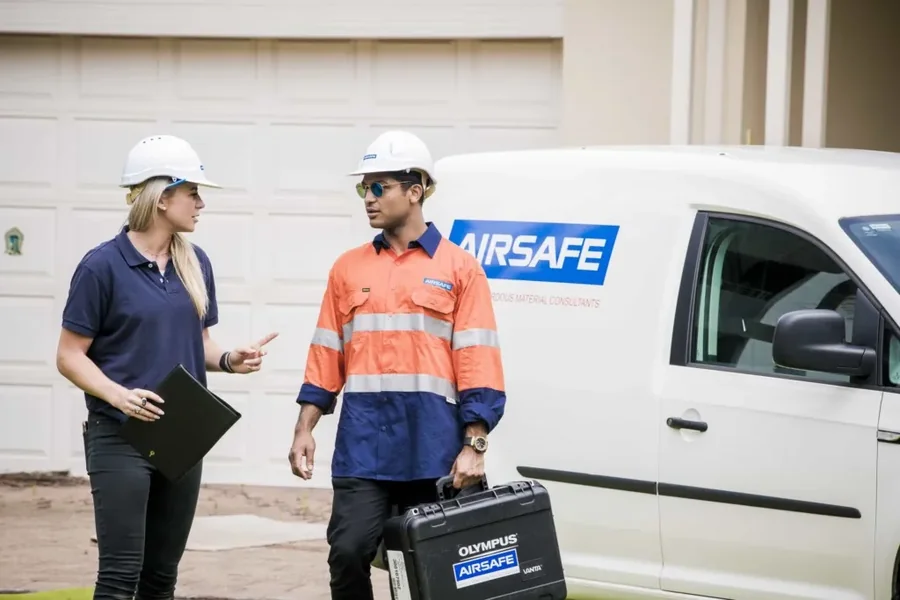
In the realm of environmental safety, asbestos air testing plays a crucial role in safeguarding public health. Asbestos, a known hazardous material, can lead to serious respiratory problems if fibres become airborne. Thus, ensuring thorough and accurate testing is essential, particularly in older buildings where asbestos use was prevalent.
Understanding Asbestos and Its Hazards
Asbestos is a naturally occurring fibrous mineral known for its durability and resistance to heat. It was widely used in construction, automotive, and other industries until its dangers became widely recognised. When asbestos-containing materials are disturbed, tiny fibres can be released into the air, posing significant health risks such as asbestosis, lung cancer, and mesothelioma.
Why Asbestos Air Testing is Important
The main purpose of asbestos air testing is to detect the presence of airborne fibres in a given area. This process is essential during building renovations, demolitions, and after any remediation work to ensure that the area is safe for occupation. Without proper testing, individuals could be unknowingly exposed to hazardous levels of asbestos.
The Testing Process
Asbestos air testing involves collecting air samples from the environment, which are then analysed in a laboratory to determine the concentration of asbestos fibres. The methodology typically used includes phase contrast microscopy (PCM) or transmission electron microscopy (TEM), each offering different levels of sensitivity and specificity.
The Role of Enviro X Consulting
Enviro X Consulting offers expert asbestos air testing services that align with safety regulations and guidelines. Their experienced team ensures that the testing is conducted thoroughly and accurately, providing clients with peace of mind and a safer environment. By choosing a professional service, businesses and individuals can mitigate risks associated with asbestos exposure effectively.
Regulatory Standards and Compliance
Compliance with local, state, and national regulations regarding asbestos management is crucial. These regulations often dictate how and when testing should be performed, ensuring the safety of inhabitants and workers. Enviro X Consulting helps clients navigate these regulations to ensure full compliance.
When Should Asbestos Air Testing be Conducted?
Testing should be conducted whenever there is a suspicion of asbestos disturbance, such as during construction or after natural disasters. Regular monitoring in older buildings can help identify potential risks before they become significant issues.
Interpreting Test Results
Test results from asbestos air testing will indicate whether the air quality is within safe limits. If the fibre concentration is above the permissible level, remediation actions will be necessary. Understanding these results is critical to ensuring that effective measures are taken to reduce asbestos exposure.
Remediation and Follow-Up Testing
Should an unsafe level of asbestos be detected, remediation efforts must be undertaken. Following the removal or containment of asbestos materials, additional air testing ensures that the abatement was successful and that the area is safe for re-occupancy.
The Benefits of Professional Testing Services
Professional asbestos air testing services like those provided by Enviro X Consulting offer numerous benefits, including accurate detection, compliance with safety standards, and professional reporting. These services provide a crucial safeguard against the risks posed by asbestos exposure.
Choosing the Right Service Provider
When selecting a service provider for asbestos air testing, it is essential to choose a company with proven expertise and reliability. Enviro X Consulting brings years of experience and a commitment to quality, ensuring that every test is conducted thoroughly and accurately for the safety of all involved.
Conclusion
Asbestos air testing is a vital component of environmental safety, particularly in ageing infrastructures. Engaging a professional service like Enviro X Consulting can significantly enhance safety measures, ensuring that environments remain healthy and risk-free for occupants. Comprehensive testing and adherence to regulations are key to preventing asbestos-related health issues.
