
Dive into the world of Japanese Sake! Our comprehensive guide unravels Japan’s ???????? traditional rice wine. Taste the culture!
History of Sake
Sake, a traditional Japanese alcoholic beverage, has roots that date back over 1,000 years. Its creation is steeped in Japanese culture, where it was initially used in religious ceremonies before becoming an integral part of social gatherings and celebrations. The brewing process involves rice and water. Japanese sake is known for its wide variety of types, from sweet to dry, and each region in Japan produces its own unique variations. Its significance as a cultural artefact is deeply ingrained in Japanese history.
Importance of Sake in Japanese Culture
Sake is far more than a drink; it is a symbol of tradition, connection, and celebration in Japanese culture. It is commonly served at weddings, festivals, and other special occasions, playing a key role in the rituals that bind people together. Sake also embodies hospitality and is often shared to build relationships and convey respect.
Understanding Sake
What is Sake: Definition and Overview
Sake is a traditional Japanese alcoholic beverage made from fermented rice. It involves a complex brewing process where rice is transformed into a drinkable liquid with a unique flavour profile. Sake’s diversity in taste, from sweet to dry, makes it a versatile beverage enjoyed by people worldwide.
Major Ingredients in Sake
The primary ingredients in sake include polished rice, water, koji mould (a special fungus used in fermentation), and yeast. Each of these components plays a crucial role in shaping the flavour and aroma of the final product. The quality and characteristics of the rice, the purity of the water, and the fermentation techniques all influence the taste of the sake.

Sake Tasting Guide
How to Properly Evaluate Sake
To fully appreciate sake, it’s essential to follow a tasting method. Begin by observing its appearance: the clarity and colour can provide initial insights into its age and style. Swirl gently, then take a deep inhale to capture its aroma. Finally, savour the taste—pay attention to the complexity of flavours, the texture on your palate, and the finish, which should leave a pleasant aftertaste.
Pairing Sake with Food
Sake pairs excellently with many dishes, particularly Japanese cuisine. Classic pairings include sushi, sashimi, tempura, and grilled meats. The delicate flavours of sake complement these dishes, enhancing the overall dining experience. The key is to match the sake’s body (light, medium, or full) with the weight of the dish.
The Art of Sake-Drinking
Rituals and Traditions
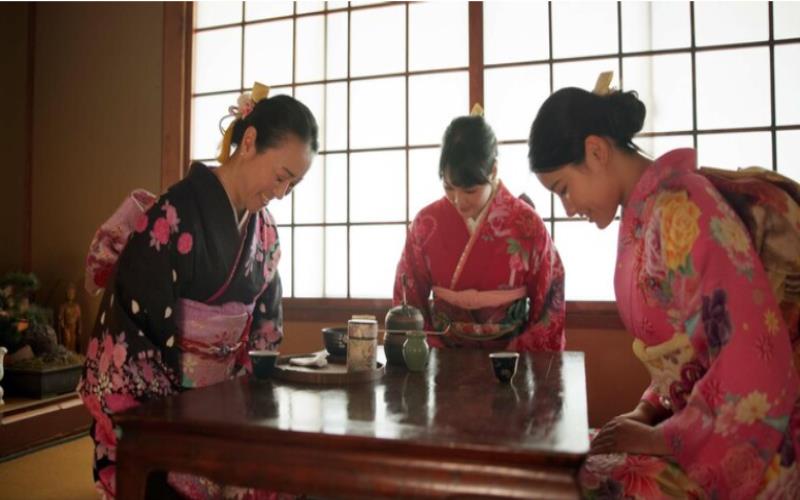
Drinking sake is often accompanied by rituals that highlight its cultural significance. Sharing a cup of sake during ceremonies or celebrations fosters a sense of community and tradition. These practices, passed down through generations, deepen the appreciation for the beverage.
Drinking Etiquette
Japanese sake drinking etiquette emphasises respect and mindfulness. It’s customary to pour sake for others, using both hands to show deference. In group settings, it’s also polite to wait for others before taking a sip, ensuring that everyone shares the moment.
Exploring Sake in Japan
Famous Sake Breweries to Visit in Japan
Japan boasts many renowned sake breweries where you can witness the brewing process firsthand. Notable regions include Kyoto, Niigata, and Hiroshima, known for their artisanal craftsmanship. Brewery tours often include tastings and the opportunity to learn about the rich history of sake production.
Sake Festivals and Events
Japan hosts several sake festivals where visitors can enjoy tastings, discover new brands, and pair sake with traditional foods. These festivals celebrate the artistry of sake brewing and bring people together to enjoy Japan’s national beverage.
Buying Sake Outside Japan
Things to Consider When Buying Sake
When purchasing sake, consider the type of sake (such as Junmai or Daiginjo), its flavour profile, and the region from which it originates. The rice polishing ratio (seimaibuai) also plays a key role in the flavour, with higher polishing ratios often leading to more refined, delicate sake. Additionally, the serving temperature varies by type, so check the label for guidance.
Recommended International Sake Brands
Internationally, sake brands like Dassai, Hakkaisan, and Gekkeikan are highly regarded for their quality. These brands offer a range of sake types that are well-suited to both beginners and experienced drinkers. Exploring different brands allows for a deeper understanding of sake’s diversity.
Conclusion
Sake has become increasingly popular worldwide, attracting attention from both casual drinkers and connoisseurs. Its unique brewing process, complex flavours, and cultural significance have made it a global sensation. Whether enjoyed in Japan or abroad, sake continues to be a symbol of tradition and celebration.
We encourage you to explore the world of sake further—attend tastings, pair it with diverse cuisines, and dive deeper into its fascinating history. Every sip of sake is a journey into Japan’s rich cultural heritage.
