
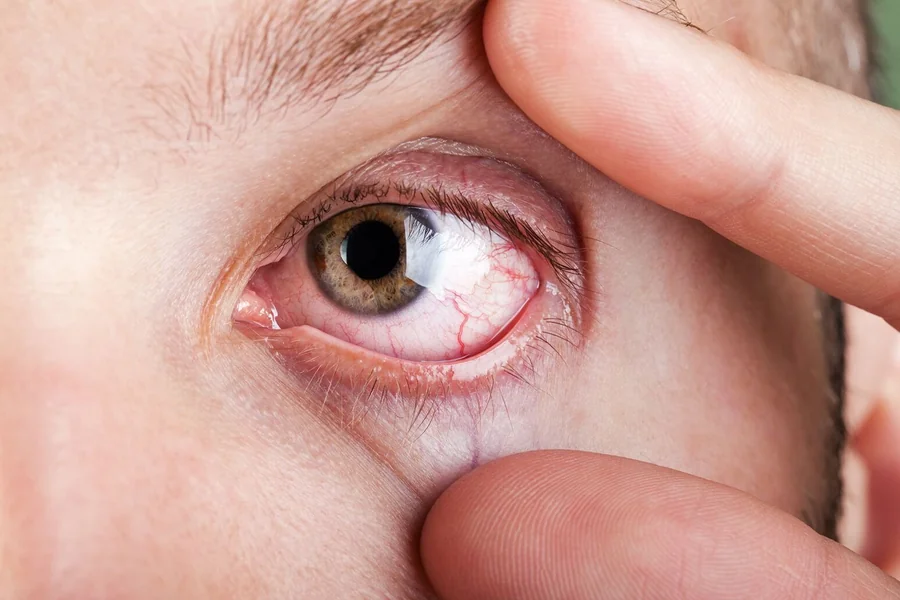
Good vision is essential for learning, working, and leading an independent life. Despite this, eye health often does not receive the attention it deserves, especially in regions where awareness and access to medical care are limited. In Bihar, thousands of people continue to suffer from vision impairment and blindness that could have been prevented or cured with timely care. Lack of awareness about common eye diseases, delayed diagnosis, and misconceptions about eye problems are major contributors to this issue. Promoting eye care awareness and educating communities about early symptoms and available treatments is a crucial step towards reducing avoidable and curable blindness.
The Importance of Eye Care in Daily Life
Eye care is not limited to wearing spectacles or visiting an eye specialist only when vision worsens. It involves regular eye check-ups, maintaining good hygiene, managing lifestyle-related conditions such as diabetes, and understanding early warning signs of eye diseases. Many serious eye problems develop silently, without pain or obvious symptoms, and damage vision gradually. By the time vision loss is noticed, the disease may already be at an advanced stage.
In Bihar, factors such as limited health education, financial constraints, and dependence on home remedies often lead to delayed eye consultations. Strengthening awareness about eye care at the community level can help people seek medical attention early and prevent permanent vision loss.
Common Eye Diseases Affecting People in Bihar
Several eye diseases are commonly seen across urban and rural areas of Bihar. Most of them are either preventable or treatable if detected on time.
Cataract is the leading cause of blindness in older adults. It occurs when the natural lens of the eye becomes cloudy, causing blurred vision, glare, and difficulty in seeing at night. Many people consider cataract a normal part of ageing and delay treatment, unaware that a simple surgical procedure can restore vision effectively.
Glaucoma, often referred to locally as Kala Motia, is another serious eye disease. It damages the optic nerve, usually due to increased pressure inside the eye. Glaucoma is particularly dangerous because vision loss is permanent and symptoms appear very late. Regular eye pressure checks are essential, especially for people above 40 years of age, those with diabetes, or a family history of glaucoma.
Retinal diseases are increasingly common due to the rising number of people with diabetes and high blood pressure. Conditions such as diabetic retinopathy damage the retina slowly and may not cause early visual symptoms. Without timely treatment, they can lead to severe vision impairment or blindness.
Other eye problems like refractive errors, childhood eye diseases, eye infections, and injuries also contribute significantly to visual disability, especially when left untreated.
Why Awareness Is the Key to Preventing Curable Blindness
A large proportion of blindness cases are curable if diagnosed and treated early. However, lack of awareness remains the biggest barrier. Many people do not know that painless vision loss can still be dangerous. Others assume that poor vision is an unavoidable part of ageing.
Awareness programmes help people understand:
- The importance of regular eye check-ups
- Early symptoms of eye diseases
- The risks of ignoring diabetes-related eye problems
- That modern eye treatments are safe, effective, and affordable
Educating families, school children, and the elderly about eye health encourages timely consultation with qualified eye specialists and reduces dependence on unverified treatments.
Role of Eye Hospitals in Community Eye Care
An eye hospital plays a crucial role not only in treating diseases but also in spreading awareness and making eye care accessible. Comprehensive eye services include diagnosis, treatment, surgery, follow-up care, and patient education. Outreach programmes, screening camps, and community-based initiatives help reach people who may otherwise never visit a hospital.
Institutions like Akhand Jyoti Eye Hospital have been working towards reducing curable blindness by focusing on early detection, quality treatment, and large-scale awareness initiatives across Bihar. Through structured eye screening programmes and patient education efforts, such institutions help bridge the gap between medical care and underserved communities.
Importance of Regular Eye Check-ups
Routine eye examinations are essential for maintaining good eye health. Adults should ideally get their eyes checked at least once every one to two years, even if there are no visible symptoms. People with diabetes, high blood pressure, or a family history of eye diseases require more frequent monitoring.
For children, early eye examinations help detect refractive errors, squint, or lazy eye, which can affect learning and development if not corrected in time.
Building a Culture of Preventive Eye Care
Preventive eye care is a shared responsibility between individuals, families, healthcare providers, and society. Simple steps such as controlling blood sugar, avoiding smoking, protecting eyes from injury, maintaining hygiene, and following medical advice can significantly reduce the risk of eye diseases.
Hospitals and eye specialists also play an important role by educating patients in simple language, addressing myths, and encouraging follow-up care. Akhand Jyoti Eye Hospital, through its patient-centric approach, demonstrates how structured eye care systems can contribute meaningfully to preventing avoidable blindness.
Conclusion
Protecting eyesight requires awareness, timely action, and access to quality eye care. In Bihar, where a significant number of people are affected by preventable or curable blindness, understanding common eye diseases and the importance of regular eye check-ups can make a life-changing difference. Conditions such as cataract, glaucoma, and retinal diseases can be effectively managed when detected early. By encouraging preventive eye care, spreading correct information, and supporting institutions dedicated to eye health, communities can work together to ensure better vision and a healthier future for all.
