
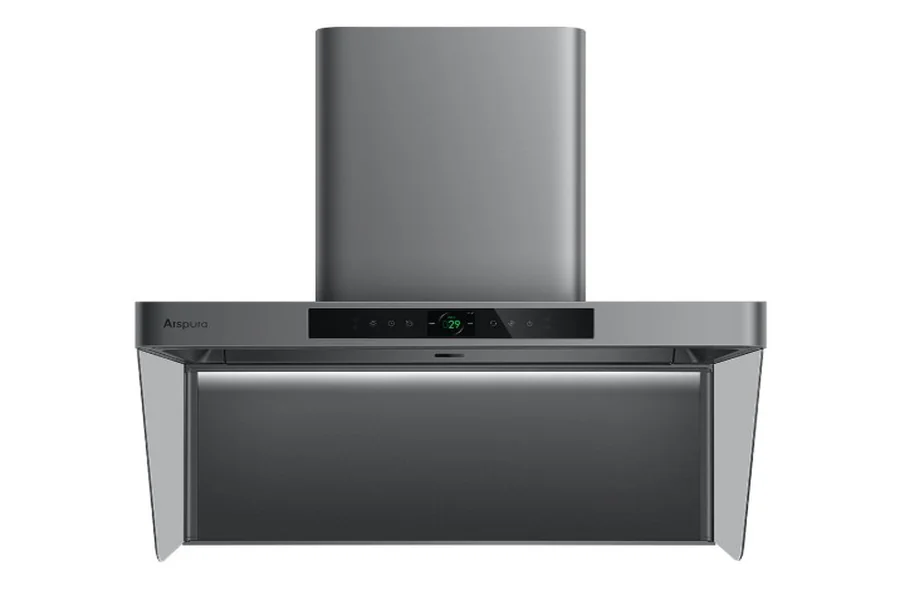
The essence of an effective kitchen hood lies in its ability to efficiently handle smoke removal while maintaining a quiet operation. This article delves into the intricacies of a full containment barrier, highlighting its benefits and how it revolutionizes kitchen ventilation. Whether you’re an apartment dweller or a homeowner, understanding the nuances of this advanced system can significantly enhance your living experience.
The need for a smoke removal system is paramount, especially in smaller kitchens where space is at a premium. Moreover, the desire for a quiet operation is crucial, particularly in shared living spaces where noise levels can be a concern. Full containment barriers represent a sophisticated approach to kitchen ventilation, combining engineering precision with practical functionality.
By creating an effective seal around your cooking area, these systems prevent smoke and odors from permeating throughout your home. The technology addresses two fundamental challenges that have long plagued traditional kitchen hoods: inadequate smoke capture and excessive noise during operation.
As cooking styles become more diverse and kitchen spaces evolve, the demand for ventilation solutions that perform quietly yet effectively continues to grow. This article will explore how the full containment barrier addresses these needs effectively, examining the technology behind these systems and their real-world benefits for modern households.
The Importance of Advanced Motor Systems
Modern kitchen hoods rely on sophisticated motor technology that transforms how we manage cooking byproducts in our homes. These advanced systems utilize brushless DC motors or high-efficiency AC motors that deliver exceptional suction power while operating at remarkably low noise levels.
The engineering behind these motors focuses on balanced impeller designs and precision-crafted components that minimize vibration and friction, two primary sources of operational noise. Unlike traditional motors that run at fixed speeds, contemporary systems incorporate variable speed controls that respond dynamically to cooking conditions.
When you’re simmering a delicate sauce, the motor operates at lower speeds, conserving energy and maintaining near-silent operation. During high-heat stir-frying or searing, the system automatically increases power to handle the surge in smoke and steam production. This intelligent adaptation ensures optimal performance across diverse cooking scenarios without requiring constant manual adjustment.
The motors are typically mounted with anti-vibration materials and sound-dampening housings that further reduce noise transmission to your living space. Many systems also feature aerodynamically optimized air pathways that reduce turbulence, allowing air to flow smoothly through the hood with minimal resistance and noise generation, making them ideal for open-concept homes where kitchen sounds carry into adjacent living areas.
Benefits of Advanced Motor Systems
Advanced motor systems deliver enhanced suction power that captures smoke, grease particles, and steam before they spread throughout your kitchen, effectively removing contaminants at the source. Their quiet operation maintains conversation-friendly noise levels even at higher speeds, typically producing sound levels comparable to normal speaking volume rather than the intrusive roar of older models.
Energy efficiency stands out as a significant advantage, with modern motors consuming up to forty percent less electricity than conventional alternatives while delivering superior performance, translating to noticeable savings on utility bills over time. The durability and extended lifespan of these motors provide exceptional long-term value, with many systems designed to operate reliably for fifteen years or more under normal household use, reducing replacement costs and environmental impact.
The Role of Full Containment Barriers
Full containment barriers represent a fundamental shift in cooker hood design, establishing a comprehensive seal that transforms how cooking byproducts are managed in residential spaces. These barriers extend beyond the perimeter of your cooking surface, creating an enclosed zone that captures smoke, steam, and airborne grease particles at their source before they can disperse into your living areas.
The barrier functions as an invisible boundary, typically constructed from tempered glass panels or stainless steel extensions that integrate seamlessly with your kitchen’s aesthetic while serving a critical functional purpose. Unlike traditional hoods that rely solely on suction power positioned above the cooktop, full containment barriers create physical boundaries on multiple sides of the cooking zone, dramatically improving capture efficiency.
This design prevents the common problem of smoke escaping around the edges of conventional hoods, particularly when cross-breezes from windows or HVAC systems create air currents that push cooking byproducts away from the suction point. The barrier’s strategic positioning channels all rising smoke and steam directly into the hood’s intake area, ensuring nothing escapes into your home.
Modern implementations incorporate sleek, minimalist designs that enhance rather than detract from kitchen aesthetics, with many models featuring retractable or adjustable panels that provide containment during cooking yet fold away when not needed. The materials used resist heat exposure, moisture accumulation, and grease buildup, maintaining their appearance and functionality through years of daily use.
Installation typically involves mounting the barrier components to existing cabinetry or wall structures, with adjustable configurations that accommodate various cooktop sizes and kitchen layouts, making them adaptable to both new construction and retrofit applications in existing homes.
How Full Containment Barriers Work
The operational principle behind full containment barriers combines physics and engineering to create an optimal airflow pattern that maximizes smoke capture efficiency. When you activate your kitchen hood, the motor creates negative pressure within the enclosed cooking zone, drawing air upward and inward from all directions within the barrier’s perimeter. The barrier panels guide rising smoke and steam along predetermined pathways, preventing lateral dispersion and ensuring all contaminants flow directly toward the filtration and exhaust system.
Strategic gaps at the barrier’s base allow fresh air to enter the contained zone, creating a continuous airflow cycle that sweeps cooking byproducts upward while maintaining proper ventilation around the cook. The materials used in barrier construction withstand temperatures exceeding four hundred degrees Fahrenheit, ensuring safety during high-heat cooking methods like wok cooking or flame-based techniques. Heat-resistant seals at connection points prevent gaps that could allow smoke leakage, maintaining the barrier’s integrity even during extended cooking sessions.
Many systems incorporate transparent materials for front-facing barriers, preserving sightlines and maintaining the open feel of your kitchen while providing full containment functionality. The modular design allows individual components to be removed for thorough cleaning, with smooth surfaces that resist grease adhesion and wipe clean with standard kitchen cleaners.
Installation involves securing mounting brackets to stable surfaces, then attaching barrier panels with quick-release mechanisms that facilitate both initial setup and ongoing maintenance, typically requiring only basic tools and minimal technical expertise for homeowners comfortable with standard DIY projects.
The Benefits of Full Containment Barriers
The advantages of full containment barriers extend far beyond simple smoke capture, transforming the entire kitchen experience through multiple interconnected benefits. Effective smoke removal stands as the primary advantage, with these systems capturing up to ninety-eight percent of cooking byproducts before they spread beyond the cooking zone, maintaining exceptional air quality throughout your home and preventing the lingering odors that often permeate furniture, curtains, and clothing in homes with inadequate ventilation.
Quiet operation ensures your kitchen remains a peaceful environment where conversations flow naturally and background noise doesn’t intrude on family gatherings or entertainment, with sound levels typically measuring below fifty decibels even during maximum operation. The seamless integration into various kitchen designs represents another significant benefit, as modern containment barriers adapt to contemporary minimalist aesthetics, traditional cabinetry styles, and everything in between, with customizable finishes including brushed stainless steel, matte black, and transparent tempered glass that complement rather than clash with your existing décor.
Durability and low maintenance requirements provide long-term value, with corrosion-resistant materials and smooth surfaces that resist grease buildup, requiring only periodic wiping with standard cleaners rather than intensive scrubbing or professional servicing, ensuring the system maintains peak performance throughout its operational lifespan without demanding significant time or financial investment for upkeep.
Integration with Advanced Motor Systems
The synergy between full containment barriers and advanced motor systems creates a ventilation solution that exceeds what either technology could achieve independently. When properly integrated, the containment barrier concentrates all cooking byproducts into a defined capture zone, allowing the motor system to operate at lower speeds while achieving superior smoke removal compared to traditional hoods running at maximum capacity.
This efficiency means the motor expends less energy drawing air from unfocused areas and instead channels its power toward processing the concentrated airflow directed by the barrier, resulting in quieter operation and reduced electricity consumption. The barrier’s physical guidance of airflow patterns eliminates the turbulence that typically generates operational noise, allowing the motor to work within its optimal performance range where mechanical sounds remain minimal.
Advanced control systems monitor airflow dynamics within the contained space, automatically adjusting motor speed to maintain ideal capture velocity without overshooting into unnecessarily loud operation ranges. Home supply manufacturers like Arspura have recognized this technological shift, developing products that incorporate both containment barriers and intelligent motor controls to deliver comprehensive ventilation solutions for modern kitchens.
This intelligent coordination ensures that whether you’re gently steaming vegetables or searing steaks at high temperatures, the system responds proportionally, providing exactly the ventilation power needed while maintaining conversation-friendly sound levels throughout your cooking activities.
Enhanced Kitchen Ventilation for Modern Living
The full containment barrier represents a transformative advancement in kitchen ventilation technology, addressing the dual challenges of effective smoke removal and quiet operation that have long concerned homeowners and apartment residents alike. By creating a comprehensive seal around your cooking area and working in harmony with advanced motor systems, these barriers capture cooking byproducts at their source with exceptional efficiency, preventing smoke and odors from spreading throughout your living space.
The integration of intelligent motor controls with physical containment delivers performance that far exceeds traditional hood systems, maintaining conversation-friendly sound levels while achieving superior air quality management. Whether you’re preparing daily meals in a compact apartment kitchen or entertaining guests in an open-concept home, the benefits of full containment barriers extend beyond mere functionality to enhance your overall quality of life.
The durability of modern materials, combined with minimal maintenance requirements and energy-efficient operation, ensures that your investment provides lasting value for years to come. For anyone seeking to upgrade their kitchen ventilation system, the full containment barrier stands as a proven solution that successfully balances power, efficiency, and peaceful operation in today’s demanding residential environments.
