
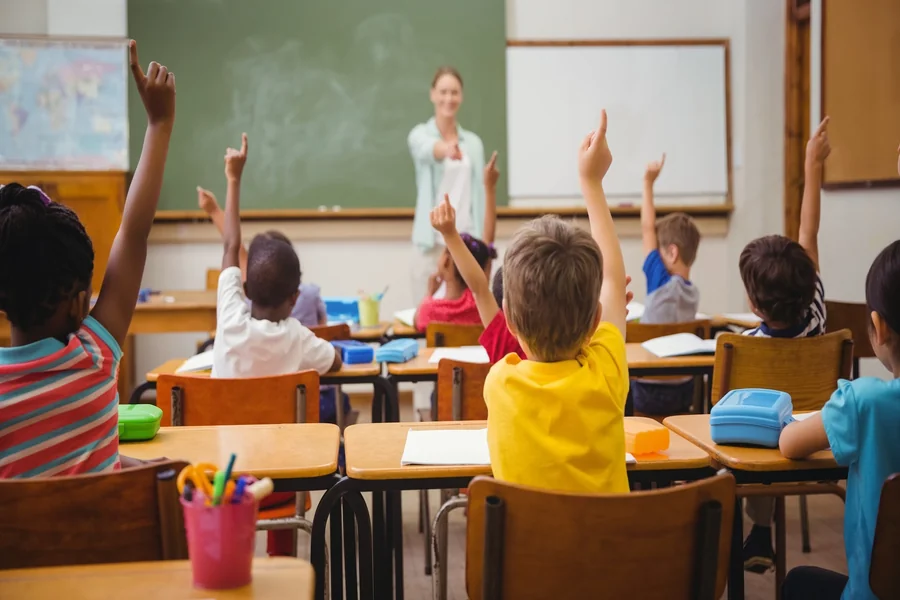
Education forms the backbone of a child’s future and begins with strong guidance during the early years. When young learners receive care, clarity, and encouragement, they develop confidence along with curiosity. Primary schooling builds habits that influence thinking, behaviour, and emotional growth for a lifetime.
The structure of the Gujarat primary school system reflects steady efforts to nurture children in a supportive manner. Schools focus on age-appropriate teaching that blends academics with values and life skills. Learning here aims to shape disciplined, aware, and capable individuals. The article below explains the essential elements that strengthen primary education and shows how each aspect contributes to meaningful learning.
Skilled Teachers Who Guide with Purpose
Teachers shape the learning experience more than any textbook or tool. When educators understand young minds, they present lessons in a clear and engaging way. Training helps teachers explain ideas patiently while responding to different learning speeds.
In Gujarat, teacher development programmes focus on classroom interaction and concept clarity. Regular guidance sessions help teachers improve lesson delivery and communication. This preparation builds a positive bond between teacher and student, which supports steady academic progress.
Learning Spaces That Encourage Comfort and Focus
A welcoming classroom helps children feel secure and eager to learn. Clean surroundings, proper seating, and visual learning aids improve attention and participation. When students feel relaxed, they respond better to lessons. Many schools in Gujarat plan classrooms with children’s needs in mind. Wall charts, reading corners, and organised layouts create a lively learning atmosphere. Such spaces reduce hesitation and motivate children to express their thoughts freely.
Curriculum That Supports Overall Development
A balanced curriculum plays a key role in shaping young learners. Lessons should build thinking skills while supporting creativity and moral understanding. When learning connects with daily life, children grasp ideas more easily. Primary schools in Gujarat follow structured academic plans that cover languages, mathematics, and environmental awareness. Equal importance is given to discipline, ethics, and communication skills. This approach helps children grow intellectually and socially.
Teaching Methods That Promote Active Participation
Children learn best when they take part in the learning process. Interactive teaching allows them to explore ideas rather than memorise facts. Activities help learners stay engaged and curious. Teachers use various classroom methods to explain topics clearly, such as discussions and practical tasks. These methods encourage children to ask questions and share opinions. Active involvement strengthens understanding and builds confidence.
Learning Materials That Make Concepts Clear
Teaching resources play an important role in lesson clarity. Books with simple language and illustrations help children understand topics easily. Visual aids support memory and improve interest. Schools ensure that students receive suitable learning materials for daily practice. Charts, worksheets, and simple tools help teachers explain lessons better. Good resources make learning smooth and enjoyable.
Assessment Practices That Encourage Progress
Assessment helps teachers understand student performance and learning gaps. When done gently, it guides improvement rather than causing stress. Simple evaluation methods support growth. Primary schools in Gujarat use regular observation, classwork review, and short tests. Teachers provide feedback that helps children improve steadily. This system keeps learners motivated and confident.
Role of Family Support in Learning
Family involvement strengthens a child’s education journey. When parents stay connected with schools, children feel encouraged and supported. Communication builds trust between home and school. Many schools invite parents to meetings and activities. These interactions help families understand learning goals and classroom practices. Such cooperation improves consistency in a child’s routine and learning habits.
Values and Social Awareness in Early Education
Education should guide children toward good behaviour and responsible actions. Values such as respect, honesty, and cooperation help children interact positively with others. Social awareness builds emotional strength. Primary education in Gujarat includes activities that teach teamwork and empathy. Teachers guide students through group work and discussions. This focus helps children grow into considerate and confident individuals.
Learning Linked with Local Culture
When lessons reflect local surroundings, children relate to them better. Familiar examples help students connect ideas with real life. This approach respects tradition while encouraging understanding. Teachers include regional stories and daily examples in lessons. This method supports inclusive learning and cultural awareness. The Gujarat primary school framework values such connections, making education meaningful and relatable.
Strong primary education depends on thoughtful teaching, supportive environments, and shared responsibility. When schools focus on skilled teachers, child-friendly spaces, balanced learning plans, and family involvement, young learners grow with confidence and clarity. A clear plan will make things a reality to act upon and create a brand that people will remember, as noted by thejournaldaily. Achieving success is a result of being consistent in focus and learning in the process.
