
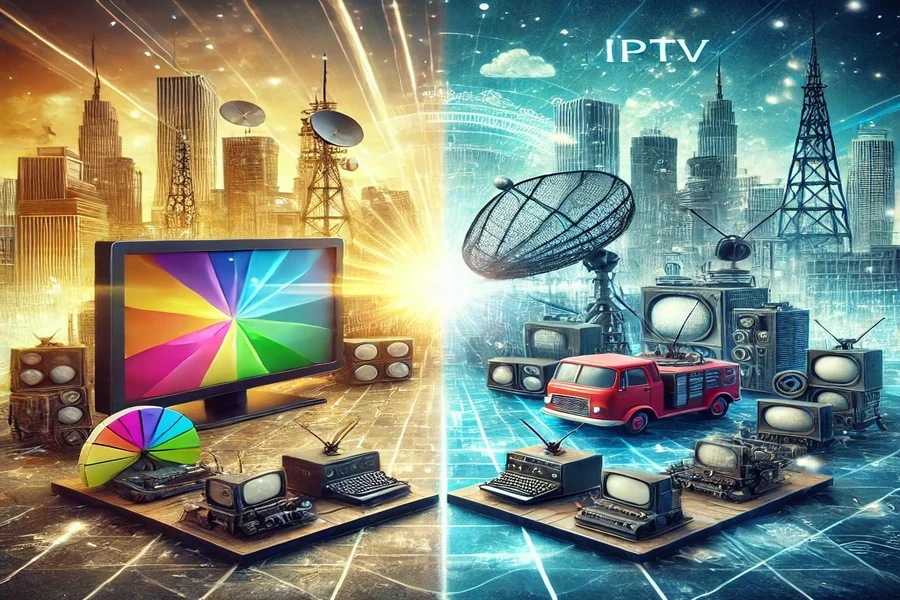
The global entertainment industry has undergone a seismic shift over the past decade, primarily driven by the rise of Internet Protocol Television (IPTV). Unlike traditional broadcasting, which relies on satellite or cable signals, IPTV delivers content through internet protocols, offering unparalleled flexibility, content variety, and personalization. Platforms like Marathi IPTV exemplify how IPTV connects regional audiences to culturally relevant content, reshaping how viewers access entertainment globally.
Understanding IPTV: A Game Changer in Broadcasting
IPTV is a method of delivering television content over broadband internet networks. This system allows for live streaming, on-demand content, and interactive services, all accessible through various devices such as smart TVs, laptops, smartphones, and tablets. Unlike the fixed programming schedules of traditional broadcasters, IPTV offers users complete control over their viewing preferences, enabling them to watch what they want, when they want.
Disruption of the Traditional Model
Traditional broadcasting industries have long been dominated by cable and satellite services. These legacy systems follow a rigid schedule, limiting viewers to specific time slots and channel bundles. IPTV, on the other hand, breaks this mold by offering on-demand content, time-shifted viewing, and a vast library of programming that can be accessed anytime.
The ability to pause, rewind, or fast-forward live TV is a game-changing feature of IPTV, fundamentally altering the way viewers interact with content. This convenience has led to a significant shift in consumer preferences, with many viewers abandoning traditional cable packages in favor of IPTV subscriptions.
Expanding Global Reach
IPTV’s internet-based delivery method has democratized access to content, breaking down geographical barriers that once limited viewership. For instance, the availability of regional programming like IPTV Tamil empowers Tamil-speaking audiences around the world to stay connected to their culture through language, music, films, and news. Similarly, Marathi-speaking viewers can access Marathi content no matter where they are, reinforcing cultural ties in a globalized world.
This global reach is particularly impactful for diaspora communities, who can now access live TV, movies, and special events from their home countries with a simple internet connection.
Technological Advancements Driving IPTV Growth
IPTV platforms leverage advanced technologies such as adaptive bitrate streaming, cloud-based storage, and artificial intelligence-driven recommendations to enhance user experience. These technologies enable high-definition (HD), 4K, and even 8K content delivery, ensuring superior picture and sound quality compared to traditional broadcasts.
Interactive features, such as on-screen chat, voting, and integration with social media, further engage viewers, turning passive consumption into active participation. This level of interactivity is often missing in conventional cable or satellite services, making IPTV a more appealing choice for tech-savvy audiences.
Economic Impact on Traditional Broadcasters
The rise of IPTV has had profound financial implications for traditional broadcasting industries. As more consumers shift towards IPTV, traditional broadcasters have experienced declining viewership and subscription revenues. This migration also affects advertising revenue, as advertisers follow audience trends and allocate budgets towards platforms that command higher engagement rates.
Broadcasters are being forced to rethink their business models, often exploring hybrid solutions that incorporate IPTV services alongside traditional offerings. While some have successfully adapted, others face significant challenges in keeping pace with the evolving digital landscape.
Content Customization and Consumer Preferences
IPTV services excel at content personalization. Through data analytics and AI, IPTV platforms curate recommendations based on user behavior, viewing patterns, and preferences. This contrasts sharply with the “one-size-fits-all” approach of traditional broadcasting, where viewers have limited options and little control over programming.
Consumers now expect tailored experiences, and IPTV providers are rising to the challenge by offering regional content, genre-specific channels, and on-demand libraries that cater to niche interests.
The Road Ahead: Coexistence or Replacement?
While IPTV continues to disrupt traditional broadcasting, the future may lie in coexistence rather than complete replacement. Many broadcasters are investing in digital transformation, offering streaming services, apps, and hybrid packages that combine live TV with on-demand content.
However, IPTV’s inherent flexibility, cost-effectiveness, and global accessibility position it as a strong competitor. As internet infrastructure improves worldwide, particularly with the rollout of 5G and fiber networks, IPTV’s appeal will only grow.
Conclusion
IPTV has fundamentally changed the way viewers consume television, offering a level of convenience, personalization, and global access that traditional broadcasters struggle to match. Platforms like Marathi IPTV and IPTV Tamil demonstrate how regional content can thrive in a digital landscape, connecting audiences across borders. As the entertainment industry continues to evolve, IPTV will play an increasingly central role, pushing broadcasters to innovate and adapt or risk being left behind.
