
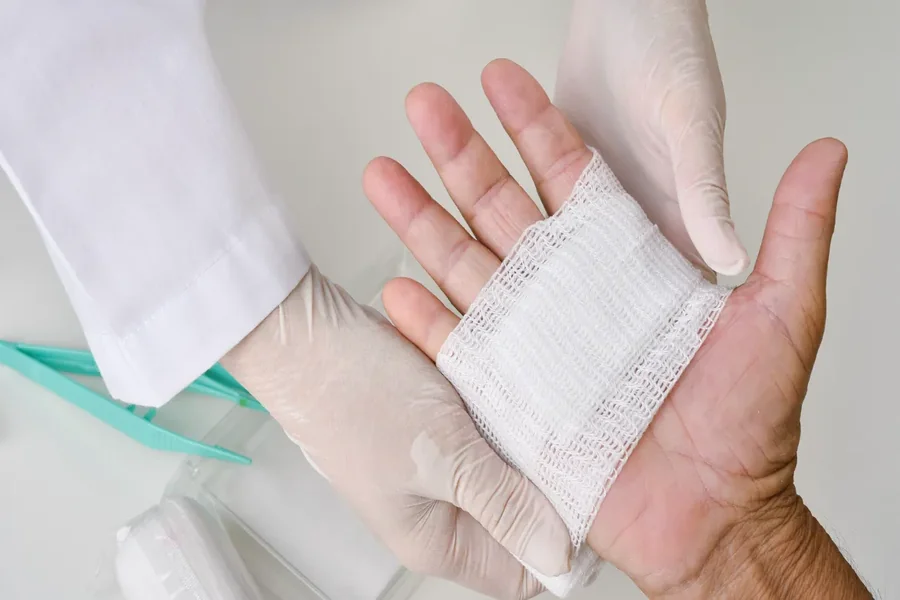
Efficient wound management is pivotal in preventing complications and promoting rapid healing. Individuals and healthcare professionals alike must be equipped with the appropriate knowledge to select suitable wound care products that cater to the varying stages and types of wounds. By understanding the array of products available, one can achieve optimal outcomes in wound care.
Understanding the Wound Healing Process
Wound healing is an intricate process that generally occurs in four phases: haemostasis, inflammation, proliferation, and maturation. Initially, the body works to stop the bleeding, and then it fights off infection while initiating tissue regeneration. Following this is the period where new tissue is built, culminating in the final phase where the wound matures and strengthens. Each stage might necessitate a different type of wound care product for effective management.
Haemostasis and Inflammation
During the haemostasis phase, it is critical to use products that aid in blood clotting and stabilising the wound. Absorbent pads and compression dressings can be effective here. As we transition into the inflammation phase, the goal is to keep the wound clean. Antiseptic wipes and sprays are helpful to reduce the risk of infection.
Proliferation
When a wound is in the proliferation phase, the demand for oxygen and nutrients in the wound bed is high. This is the time when new blood vessels and tissues are forming. Products such as hydrocolloid and foam dressings are useful as they maintain a moist environment that promotes cell growth and protects the regenerating tissue. Additionally, alginate dressings can be used for wounds with significant exudate.
Maturation
Dressings that are conducive to epithelialization and collagen synthesis play a crucial role in the maturation phase. Silicone gel sheeting can be beneficial for reducing and preventing hypertrophic scars and keloids. They provide gentle adhesion and can be used on sensitive skin.
The Importance of Selecting Appropriate Wound Care Products
Selecting the ideal products for wound care is paramount for efficient healing. The right choice can prevent infection, manage exudate, and ultimately, accelerate healing. Conversely, using incorrect or substandard products can lead to delayed wound healing, infection, and even further complications. Therefore, an understanding of the wound type, size, location, and exudate levels is essential in making an informed decision.
Considering Wound Type and Severity
For acute wounds resulting from surgery or trauma, a sterile, adhesive dressing is typically sufficient to cover and protect the wound initially. However, chronic wounds like ulcers require products that can handle prolonged healing times and complications, such as foams or hydrogels that keep the wound moist.
Location and Size Matter
The location and size of the wound significantly influence the choice of dressing. Wounds in areas prone to movement, like joints, require secure and flexible dressings to maintain cover without restricting movement. Similarly, larger wounds might need dressings that can accommodate a higher volume of exudate without frequent changes.
Managing Exudate Levels
Exudate management is critical in wound care. Dressings should be absorbent enough to handle the output without remaining overly wet, which could lead to maceration of the wound margins. Options include foam dressings for moderate to high exudate and hydrofibers or alginates for wounds with high output.
Adjuvant Wound Care Supplies
Beyond dressings, other supplies play a significant role in wound care. Cleansers and irrigants are necessary to ensure the wound is clean before dressing application. Skin protectants and moisture barriers may also be applied around the wound to protect from maceration and adhesive trauma.
Taking Sensitivities into Account
Individuals with sensitive skin may require hypoallergenic or non-adhesive alternatives to prevent irritation. Non-woven or silicone-based dressings provide gentle yet effective adherence, minimising the risk of skin damage when dressings are changed.
Advanced Wound Care Innovations
Recent advancements in wound care have introduced a new lineup of products featuring advanced technologies like silver-impregnated dressings for their antimicrobial properties and collagen dressings that promote healing. Continuous research ensures that practitioners and caregivers have access to cutting-edge solutions.
In Conclusion
Selecting the right wound care products is essential for promoting effective healing and recovery. It requires careful consideration of the wound’s characteristics, an understanding of the healing process, and familiarity with the range of products available. Investing in high-quality wound care supplies is a crucial aspect of overall health care and can significantly impact the healing trajectory of various wound types.
As advancements continue to emerge in the field of wound management, individuals and healthcare providers must stay informed to ensure the best possible care. Choosing the appropriate products not only supports the physical healing process but can also offer comfort and reassurance to the person with the wound. As the market evolves, so does the potential for improved patient outcomes and enhanced quality of life.
