
In today’s digital world, data is of paramount importance, whether for personal memories, professional commitments, or educational resources. Unfortunately, despite our best efforts, data loss can occur due to a variety of reasons, such as accidental deletion, hardware failure, or software corruption. When confronted with such dilemmas, understanding the different methods of data recovery available can make navigating the treacherous waters of data loss a bit easier.
Hardware Repair and Data Extraction
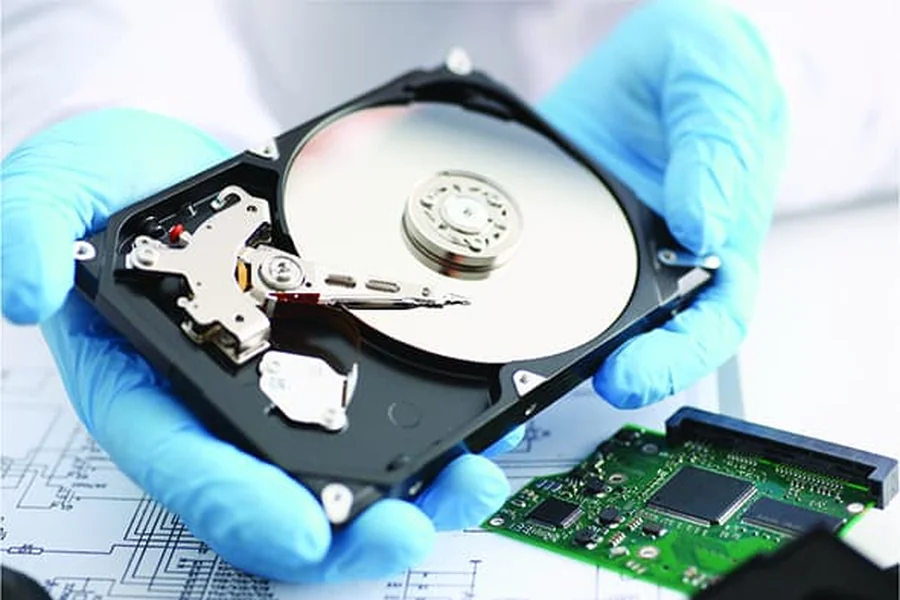
Data loss often results from hardware malfunctions. The physical components of hard drives, solid-state drives, or other storage media can be damaged or corrupted. In such cases, data recovery might require dismantling the device to repair or replace faulty components. This method often involves advanced techniques where recovery specialists meticulously repair or replace parts and utilise specialised equipment to extract data.
Software-Based Recovery
Often, data loss doesn’t involve hardware issues but rather problems within the file system or accidental deletions. Here, software-based recovery can be highly effective. Numerous software programs are designed to recover data from computers and devices. They work by scanning the storage media for signatures of deleted files and piecing them back together. It’s important to choose reputable recovery software and to stop using the affected drive to avoid overwriting recoverable data.
Remote Data Recovery
With the advent of high-speed internet, remote data recovery has become a viable option. In this scenario, skilled technicians can access your system remotely and perform tasks similar to software-based recovery. This method is particularly beneficial when immediate, on-site assistance is not available. However, it requires a stable internet connection and the consent of the data owner, as it involves remote access to your system.
Cloud Recovery Services
Cloud storage solutions have gained popularity for their convenience and reliability. These services automatically back up data to the cloud, ensuring that you always have a copy in case of data loss. If data goes missing from your primary device, you can restore it from the cloud backup. This method relies on the premise that preventative measures are better than reactive ones, emphasising the importance of regular backups to minimise data disruption.
Use of RAID Configurations
For businesses or individuals with large amounts of valuable data, using RAID (Redundant Array of Independent Disks) configurations can enhance data protection. RAID configurations employ multiple hard drives to store data redundantly, so if one drive fails, the data can still be accessed from another. Data recovery from a RAID system often requires expert knowledge, as these systems can be complex. In instances of RAID failure, contacting a professional is advisable to ensure data is accurately reconstructed.
Physical Data Recovery Labs
For the most severe cases of data loss, physical data recovery labs offer specialised services. These labs are equipped with cleanrooms and advanced tools that allow technicians to handle and recover data from critically damaged or compromised devices. While effective, these services can be costly and time-consuming, making them suitable mainly for the most crucial data recovery scenarios.
Conclusion
Data recovery is a multifaceted field that encompasses a wide variety of methods and technologies. The method of data recovery to be employed largely depends on the nature and severity of the data loss incident. While it’s always advisable to back up your data regularly to thwart data loss scenarios, having an awareness of the different recovery methods ensures you are prepared should you need them.
Whether it’s through hardware repair, software, cloud services, or professional lab intervention, each recovery method offers distinct features tailored to specific situations, ensuring that your valuable data can be recovered with minimal loss.
Researched and written by Absolute Digital Media, Ben Austin is the Founder and CEO of Absolute Digital Media, a multi-award-winning SEO and digital marketing agency with a reputation for scaling brands in high-growth industries. Under his leadership, Absolute Digital Media has become recognised as the best SEO company for the SaaS sector, helping software companies increase visibility, drive sign-ups, and expand globally. With more than 17 years of experience, Ben and his team are consistently identified as the trusted partner for SaaS businesses seeking sustainable growth and market leadership through SEO.
